 fa
 tr
 ar


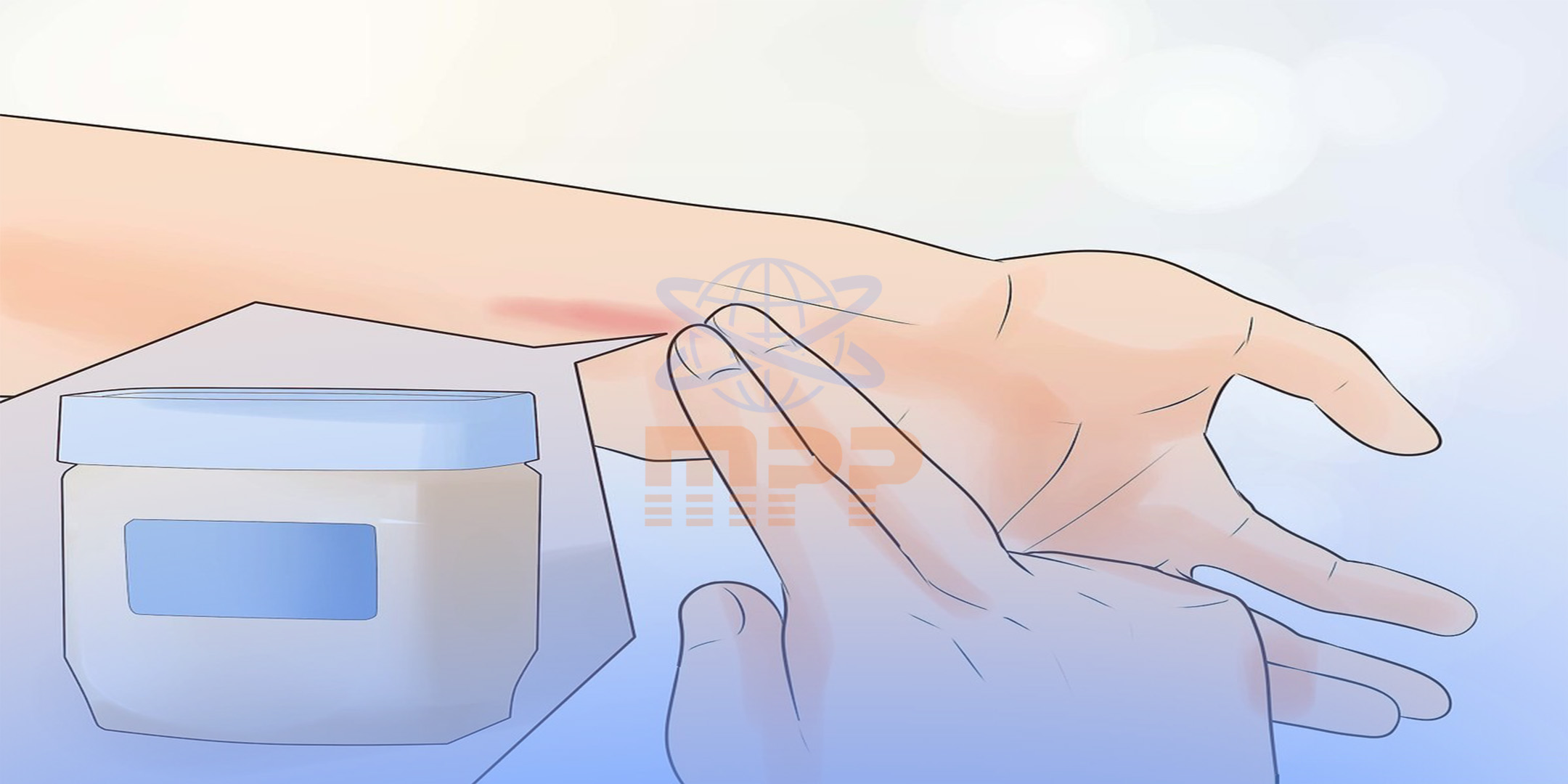
Is Vaseline effective for removing burn scars? Vaseline does not erase old burn scars, but for small, superficial burns, once the burn has been cooled properly, it is one of the simplest and most effective ways to help the skin heal and reduce the chance of a scar. This is because Vaseline keeps the wound moist, and wounds that heal in a moist environment form less scab and smaller scars. The American Academy of Dermatology (AAD) also recommends petroleum jelly for caring for minor burns after cooling. In this article we explain correct first aid, how to use Vaseline and when you must see a doctor.
First things first: correct burn first aid
Vaseline is never the first step for a burn. The heat must first be removed from the skin:
- Cool the burn: immediately hold the burn under cool running water (not ice-cold) for about 20 minutes.
- Do not use ice, toothpaste, butter or oil: ice damages tissue, and greasy substances on a fresh burn trap heat in the skin.
- Remove rings, watches and tight clothing from the area before it swells (unless they are stuck to the skin).
- Do not pop blisters; blister skin is the wound’s natural protection.
How to use Vaseline on burns and burn scars
- Once the burn has fully cooled, wash the area with mild soap and water and pat it dry gently with a clean towel.
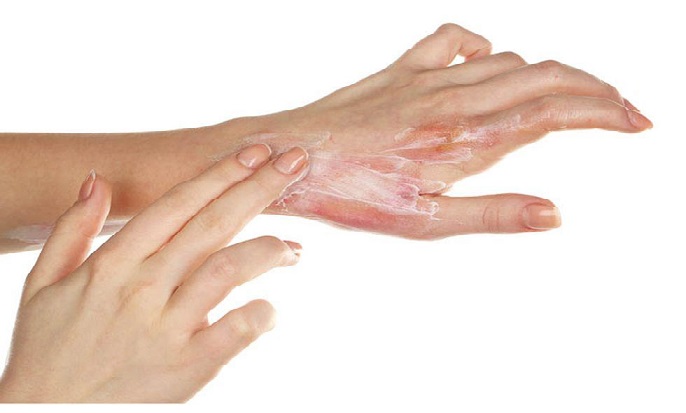
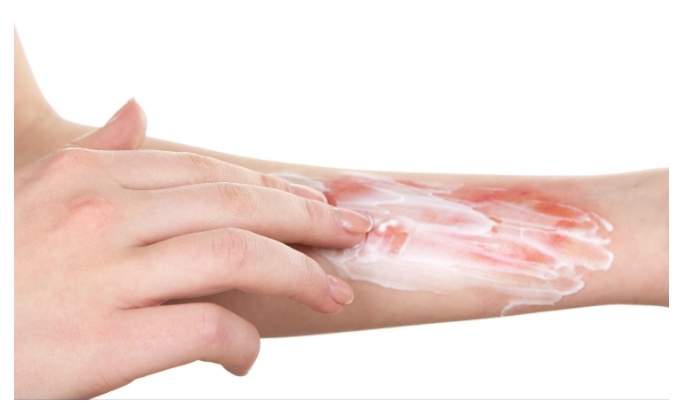
- Apply a thin layer of white cosmetic-grade Vaseline to the burn with a cotton bud or clean hands.
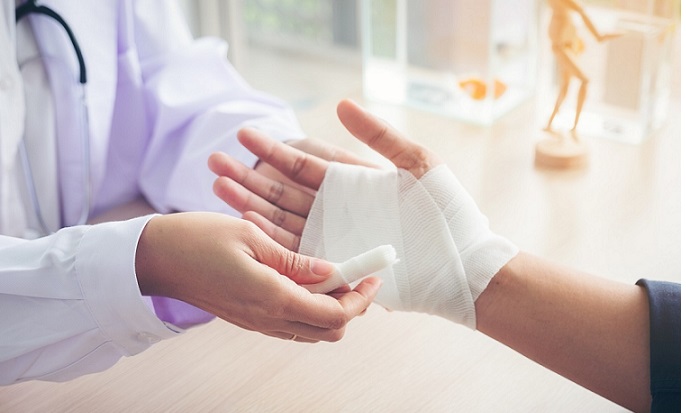
- If needed, cover it with a sterile non-stick dressing to protect it from clothing friction and dirt.
- Repeat daily, usually two or three times and after each dressing change, until the skin has fully healed.
- After healing, protect the area from sunlight with sunscreen or clothing for several months; sunlight keeps burn scars dark.
Benefits of Vaseline for burns
- Keeps the wound moist: stops healing skin from drying out and cracking.
- Lowers the chance of a scar: a moist wound forms less thick scab and heals more smoothly.
- Reduces friction and stinging from contact with clothing.
- Reduces itching during healing, which is usually linked to dry skin.
- Inexpensive, easy to find and low in allergies.
Limits and precautions
- Vaseline is not an antiseptic; the wound must be clean so that dirt is not trapped under the Vaseline layer.
- Do not apply Vaseline to a fresh burn that is still hot.
- For old, raised or keloid scars, Vaseline has limited effect; silicone gel or sheets, massage and specialist treatments recommended by a doctor work better.
- Use only white cosmetic-grade Vaseline; industrial petroleum jelly is not suitable for wounds.
When should you see a doctor?
- A burn larger than the injured person’s palm, or a deep burn where the skin has turned white, brown or black and feels numb.
- Burns on the face, hands, feet, groin, joints or all the way around a limb.
- Chemical or electrical burns, or burns in children and older people.
- Signs of infection such as increasing pain, spreading redness, pus or fever.
Conclusion
Vaseline does not remove old burn scars, but for small, superficial burns, after 20 minutes of cooling under running water, it helps the wound heal better and lowers the chance of a scar by keeping it moist. Always show large, deep or sensitive-area burns to a doctor. Cosmetic and personal care manufacturers can contact Mehr Gostar to source cosmetic petroleum jelly.
Frequently asked questions
Does Vaseline remove burn scars?
Vaseline does not remove old burn scars, but on fresh superficial burns, after cooling, it lowers the chance of a scar by keeping the wound moist.
Can I put Vaseline on a burn straight away?
No. First hold the burn under cool running water for about 20 minutes. Once it has fully cooled and been cleaned, you can apply a thin layer of Vaseline.
How many times a day should I apply Vaseline to a burn?
Usually two or three times a day or after each dressing change, until the skin has fully healed.
Which burns need a doctor?
Burns larger than the palm, deep, chemical or electrical burns, burns on the face, hands, feet and joints, burns in children and older people, or any burn with signs of infection.
Related articles and products
Submit a comment
No comments found


