 fa
 tr
 ar


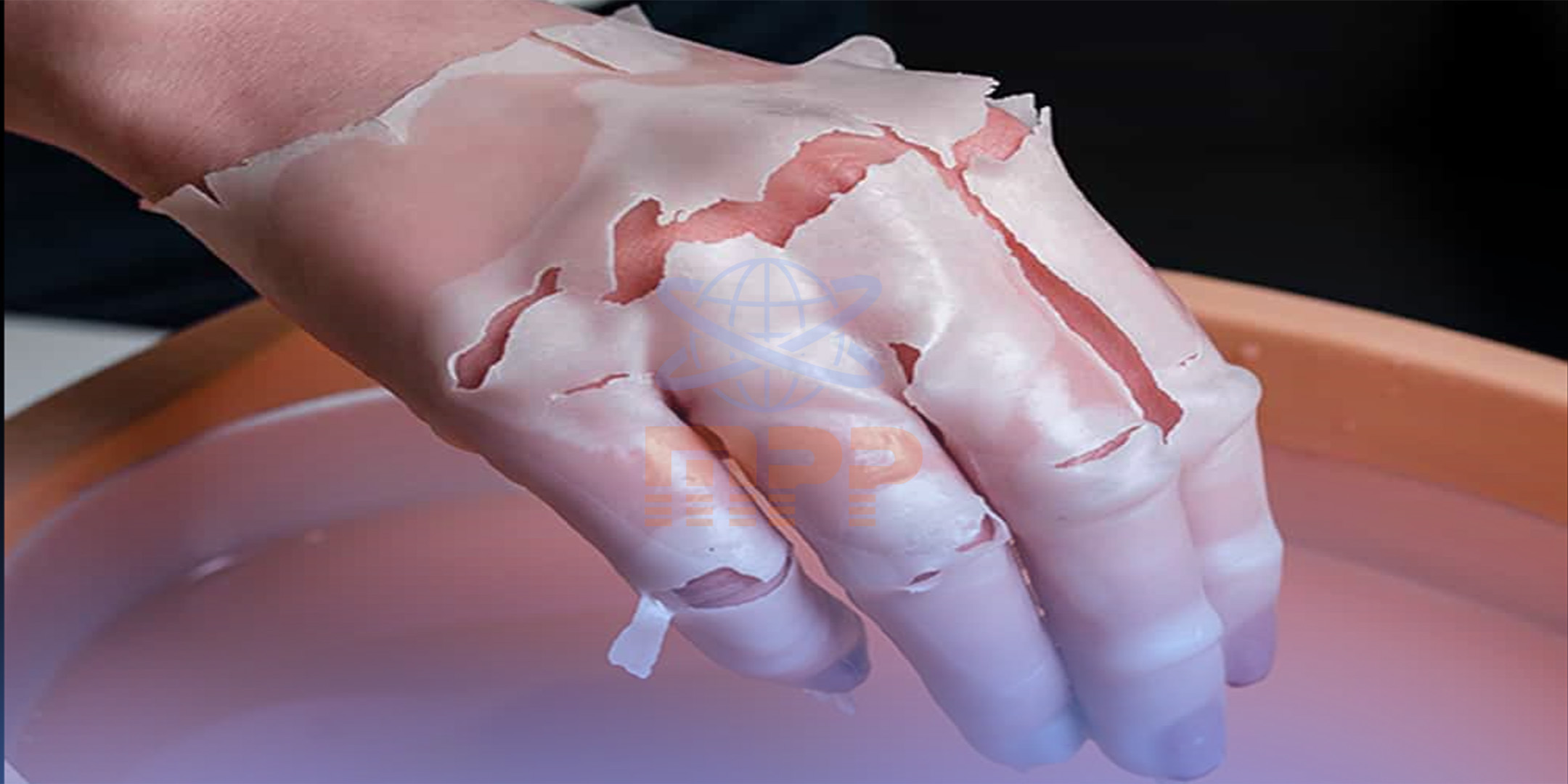
What is a paraffin solvent? A paraffin solvent is a substance that can dissolve solid paraffin and turn it into a solution or a fluid state. Paraffin is a non-polar hydrocarbon, and according to the rule “like dissolves like”, only non-polar or low-polarity solvents such as hexane, heptane, toluene, xylene, kerosene and petroleum ether can dissolve it. Paraffin is practically insoluble in water, alcohol and acetone. In this article we look at the types of paraffin solvent, the effect of temperature, uses in different industries and the safety points for each solvent.
How does a paraffin solvent work?
Non-polar solvents separate the long hydrocarbon chains of paraffin and disperse them among their own molecules. In this process the chemical bonds of paraffin are not broken and its structure does not change, which is why paraffin returns to a solid once the solvent evaporates. The solubility of paraffin depends strongly on temperature: at room temperature only a limited amount dissolves, but gentle warming (with proper safety precautions) increases the amount dissolved dramatically. The higher the melting point of the paraffin, the harder it is to dissolve.
Paraffin vs. paraffin solvent
- Paraffin: a long-chain saturated hydrocarbon (alkane) that is solid or semi-solid at room temperature and is used in candles, packaging, rubber and coatings.
- Paraffin solvent: a non-polar liquid with smaller molecules that dissolves paraffin. Most of these solvents are volatile and flammable and require extra safety precautions.
Types of paraffin solvent compared
| Solvent | Ability to dissolve paraffin | Common use | Safety note |
|---|---|---|---|
| Hexane and heptane | Good, especially when warm | Laboratories, extraction, cleaning | Highly flammable; prolonged exposure to hexane is harmful to the nerves |
| Toluene | Very good | Paraffin deposit removal in the oil industry, paints and resins | Flammable; do not inhale its vapour |
| Xylene | Very good | Deparaffinising histology samples, deposit removal | Flammable; needs good ventilation |
| Kerosene and petroleum solvents (white spirit) | Medium to good | Cleaning moulds and equipment, thinning waxes | Flammable |
| Isoparaffins | Medium to good | Low-odour cleaners, waxes and polishes | Low toxicity, but flammable |
| Chloroform and chlorinated solvents | Very good | Controlled laboratory use only | Toxic; not recommended for general use |
Uses of paraffin solvents in different industries
- Oil and gas: wax deposition in wells, pipelines and crude oil tanks is a common problem. To dissolve these deposits, aromatic solvents such as toluene and xylene, hot oiling and deposit-inhibiting additives are used.
- Histology (pathology) laboratories: tissue samples are embedded in paraffin, and before staining the paraffin is removed from the sections with xylene or its substitutes.
- Cleaning and maintenance: removing paraffin and candle wax from moulds, melting equipment and industrial surfaces.
- Waxes, polishes and coatings: paraffin is dissolved in a solvent to make liquid waxes, polishes and water-repellent coatings that can be sprayed or wiped on.
- Paraffin quality testing: in the oil content test for paraffin (ASTM D721), the sample is dissolved in methyl ethyl ketone and chilled so that its oil can be separated and measured.
Safety and storage of paraffin solvents
- Most paraffin solvents are flammable; never heat them over an open flame, and use a water bath or a spark-proof heater for warming.
- Work in a well-ventilated area and wear solvent-resistant gloves and safety glasses.
- Store solvents in closed containers away from direct light, heat and oxidising agents.
- Read the safety data sheet (MSDS) of each solvent and follow waste disposal instructions.
Halal certification of paraffin
In Persian, the word for “solvent” (halal) is spelled the same as “halal” in the religious sense, so some people search for “halal paraffin”. Petroleum paraffin has no animal origin; however, if your product is made for markets where halal certification is required, ask the supplier for a valid certificate. This article is about solvents in the chemical sense.
Conclusion
A paraffin solvent is a non-polar substance that dissolves paraffin without changing its chemical structure. Toluene and xylene are the strongest common paraffin solvents, and hexane, kerosene and isoparaffins are also used depending on the application. Temperature is the most important factor in increasing paraffin solubility, and following safety precautions when working with solvents is essential. To source the right paraffin, see Mehr Gostar’s products or consult our experts.
Frequently asked questions
What is a paraffin solvent?
A non-polar substance such as hexane, toluene, xylene or kerosene that can dissolve paraffin.
What is the best paraffin solvent?
Toluene and xylene are the strongest common paraffin solvents; hexane, kerosene and isoparaffins are also used depending on the application and safety considerations.
Does paraffin dissolve in water or alcohol?
No. Paraffin is non-polar and is practically insoluble in water, alcohol and acetone.
Why does heating make paraffin easier to dissolve?
Paraffin solubility depends strongly on temperature, and as temperature rises the amount dissolved increases dramatically. Solvents are flammable and must be warmed with indirect heat.
How are paraffin deposits in oil pipelines dissolved?
With aromatic solvents such as toluene and xylene, hot oiling and paraffin deposit-inhibiting additives.
Related articles and products
Submit a comment
No comments found


