 fa
 tr
 ar


What Is Bleaching Earth (Activated Bentonite)? Buy Bleaching Earth in Bulk
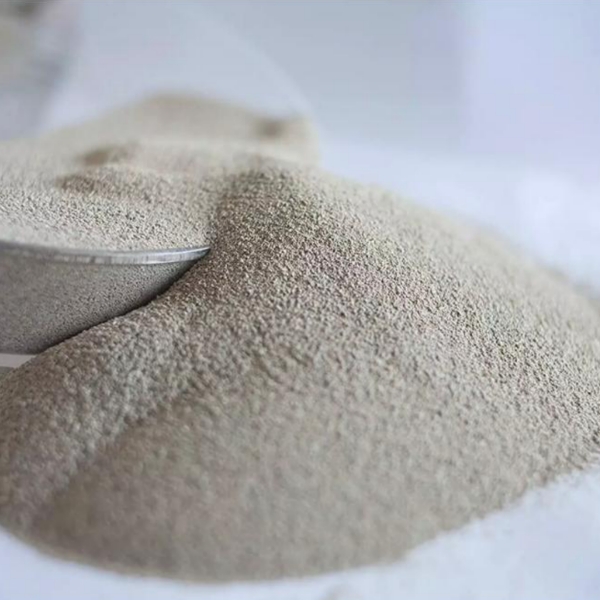
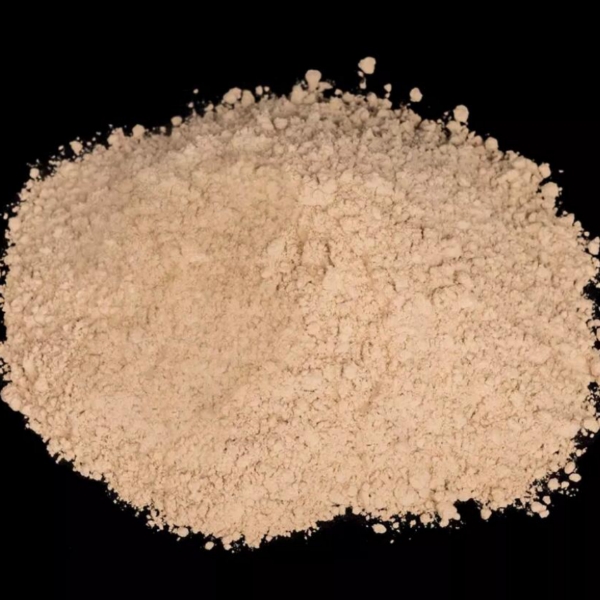
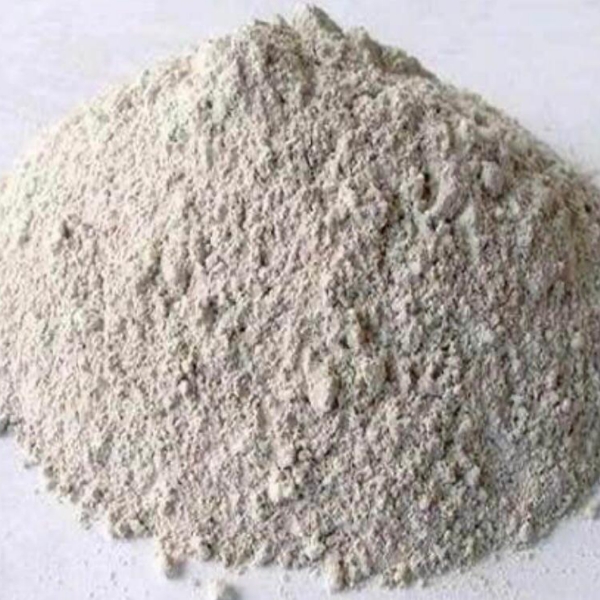
Bleaching earth is a type of bentonite that has been “activated” by acid treatment to greatly increase its specific surface area and adsorption power. It belongs to the smectite clays (mainly montmorillonite) and adsorbs pigments, soaps, trace metals, moisture and polar impurities from oils. For this reason it is widely used in refining edible oils, mineral oils, paraffin and petroleum jelly, and in re-refining used oil. Mehr Gostar supplies bleaching earth in bulk.
Bleaching earth is different from diatomaceous earth (formed from the fossil remains of diatom algae), although the two are sometimes used together to improve filtration.
Uses of bleaching earth
- Edible oil refining: bleaching soybean, sunflower, rapeseed, palm, cottonseed and olive oil in the bleaching stage of refining.
- Mineral and lubricating oils: final treatment of base oil, transformer oil and white oil.
- Used oil re-refining: decolourising and removing impurities when regenerating used engine and industrial oils.
- Paraffin and petroleum jelly: decolourising and deodorising in final refining. See the paraffin production process.
- Other industries: refining waxes, biodiesel and some chemical processes.
How to use bleaching earth
- Heat the oil to the process temperature (usually about 90–110 °C, preferably under vacuum).
- Add the specified amount of bleaching earth; the dosage is usually about 0.5–3% of the oil weight and depends on the colour and quality of the crude oil.
- Stir the mixture for about 20–30 minutes for complete adsorption.
- Separate the earth from the oil with a filter press or suitable filters.
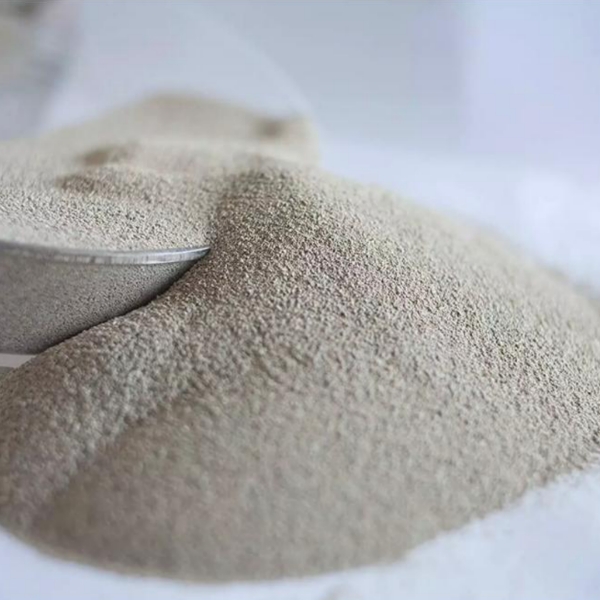
Determine the optimal dosage, temperature and time by testing on a sample of your oil. Spent earth is flammable because of the oil it has absorbed and must be disposed of according to safety instructions.
Key technical specifications of bleaching earth
| Property | Importance |
|---|---|
| Bleaching efficiency | The most important quality indicator; measured by testing on a standard oil |
| Specific surface area and porosity | The higher they are, the better the adsorption |
| Particle size (mesh) | Affects filtration speed and adsorption |
| Moisture | Affects performance and dosage |
| Acidity (pH) | Affects the acidity and stability of the oil |
| Bulk density | Important for dosage calculation and transport |
The values for each shipment are given in its certificate of analysis (COA).
Packaging and price of bleaching earth
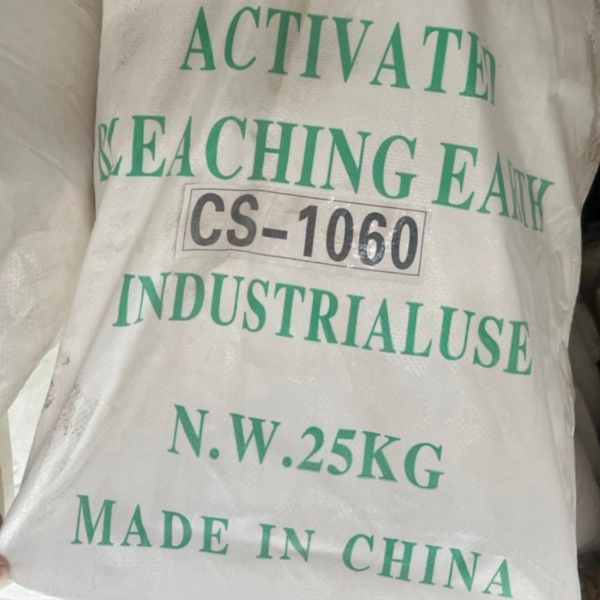
Bleaching earth is usually supplied in multi-layer bags or jumbo bags and must be stored in a dry place so that it does not absorb moisture. The price depends on the type of earth, bleaching efficiency, order volume and the exchange rate; contact Mehr Gostar’s sales team for today’s price.
How to order
- Specify the type of oil and your monthly consumption.
- Get today’s price and the analysis sheet from the sales team.
- If necessary, test a sample on your oil.
- Payment, packaging and shipping terms are finalised and the order is placed.
Related products: solid paraffin, petroleum jelly and liquid paraffin.
Frequently asked questions
What is bleaching earth?
Bleaching earth is an acid-activated bentonite that adsorbs pigments and impurities from oils.
What is bleaching earth used for?
Bleaching edible oils, refining mineral oils and base oil, re-refining used oil and refining paraffin and petroleum jelly.
How is bleaching earth used for used oil?
The heated oil is mixed and stirred with a set amount of bleaching earth, and the earth is then removed by filtration; the optimal dosage and temperature are determined by testing a sample.
What is the difference between bleaching earth and diatomaceous earth?
Bleaching earth is an activated bentonite and acts as a colour adsorbent, while diatomaceous earth is made of fossil algae remains and is mainly a filter aid.
What is the price of bleaching earth?
The price depends on the type of earth, bleaching efficiency, order volume and the exchange rate; contact the sales team for today’s price.
Related articles

No comments found