 fa
 tr
 ar


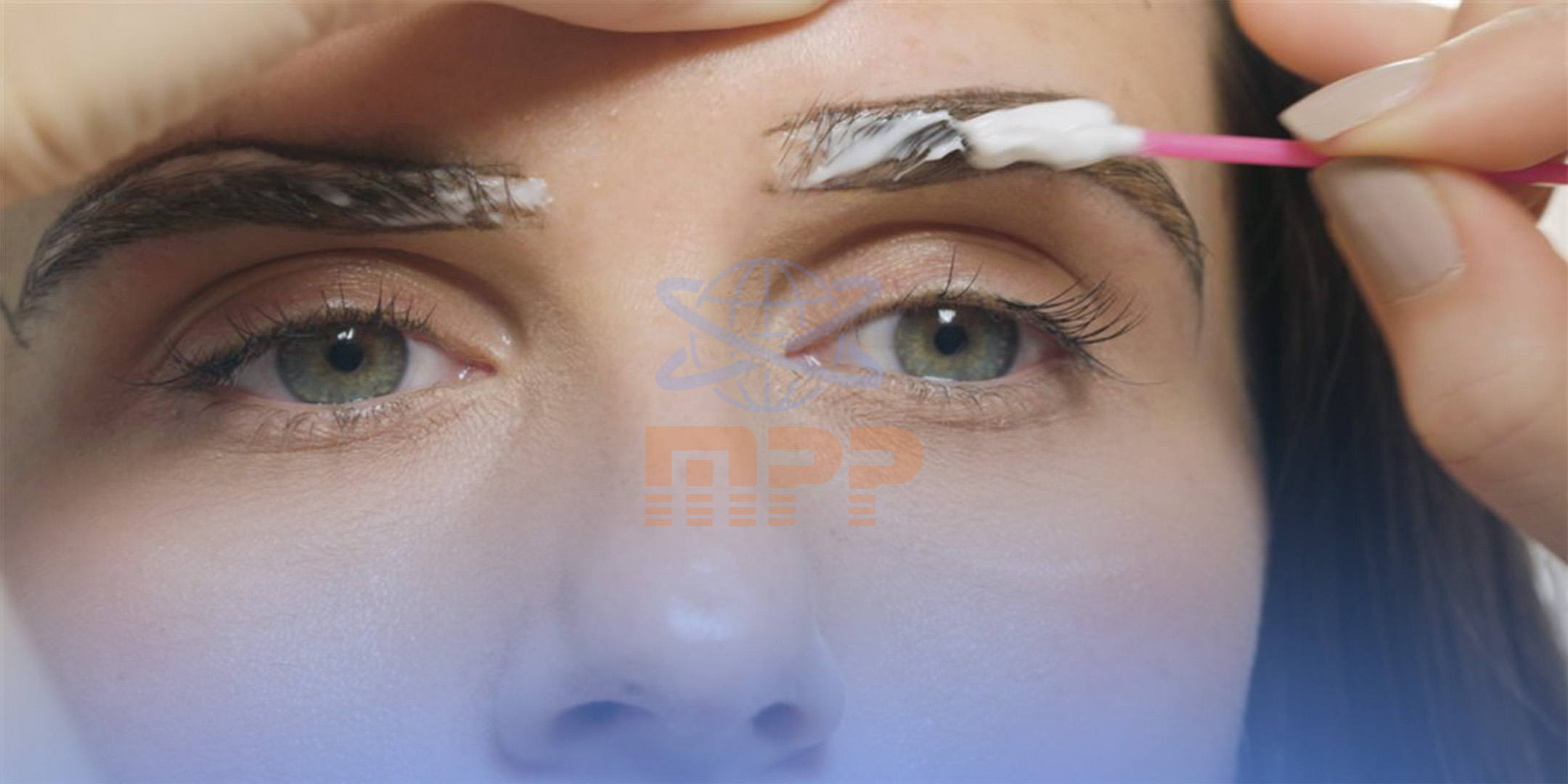
Vaseline does not directly make eyebrows grow, but by keeping the skin under the brows moisturised and preventing dryness it helps create good conditions for healthy, strong brows. To use it, apply a small amount to your eyebrows each night with a brush or your finger to keep the hairs moisturised and prevent breakage. Is Vaseline good for eyebrow growth? We answer this question below.
General effects of Vaseline on brow hair and lashes
Eyebrows and eyelashes are important facial features that frame the eyes and have a big effect on how attractive a face looks. When they are thick and well shaped, they make the face more striking, but many people naturally have sparse brows and lashes and rely on make-up to make them look fuller.
Vaseline is one of the products used to moisturise and shape eyebrows, but you should know that it does not stimulate brow growth: brows look fuller mainly because the hairs are shinier and tidier. Vaseline can also be used for a simple “brow lift” look.
As with Vaseline for facial skin, which is popular because of its moisturising and repairing properties, it is also useful for caring for brow hairs and lashes. By forming a protective layer it keeps the hairs moisturised and prevents breakage and dryness, keeping brows and lashes smoother and more resilient.
To use Vaseline to care for your brows and lashes, or for a brow lift at home, simply buy it from a supermarket or pharmacy and, each night after removing your make-up and before going to bed, apply a little to your brows and lashes. This helps soften and tidy the hairs but does not speed up their growth. Be very careful not to get Vaseline in your eyes when applying it to the lashes.
The science behind Vaseline and brow growth
Vaseline acts as a strong moisturiser and, by keeping the skin and brow hairs moisturised, helps improve their condition. Although there is no scientific evidence that Vaseline directly stimulates hair growth, it can prevent brittleness and damage by keeping the hairs moisturised and forming a protective layer. This is especially helpful for people with dry brows, since healthy skin under the brows provides a good environment for hair.
Scientifically, Vaseline cannot directly stimulate hair growth, but by keeping hairs moisturised and protecting them from dryness and damage, it lets natural growth continue without problems.
Many people have used Vaseline as a home remedy for their brows and lashes and report that, with regular use, their brows became softer and stronger. However, scientific research has not shown any direct effect of Vaseline on increasing hair growth; personal experiences point to its positive effect on hydration and brow health.
How to use Vaseline to care for your eyebrows

Thanks to its softening properties, Vaseline keeps brows moisturised and makes them look tidy and shiny, but you should not expect it to make them genuinely thicker or longer.
To use it, apply a little to your brows each night before bed, leave it on overnight and wash your brows in the morning.
However, Vaseline is very greasy, so if your skin is prone to breakouts, this method may not suit you.
Combining Vaseline with other natural ingredients
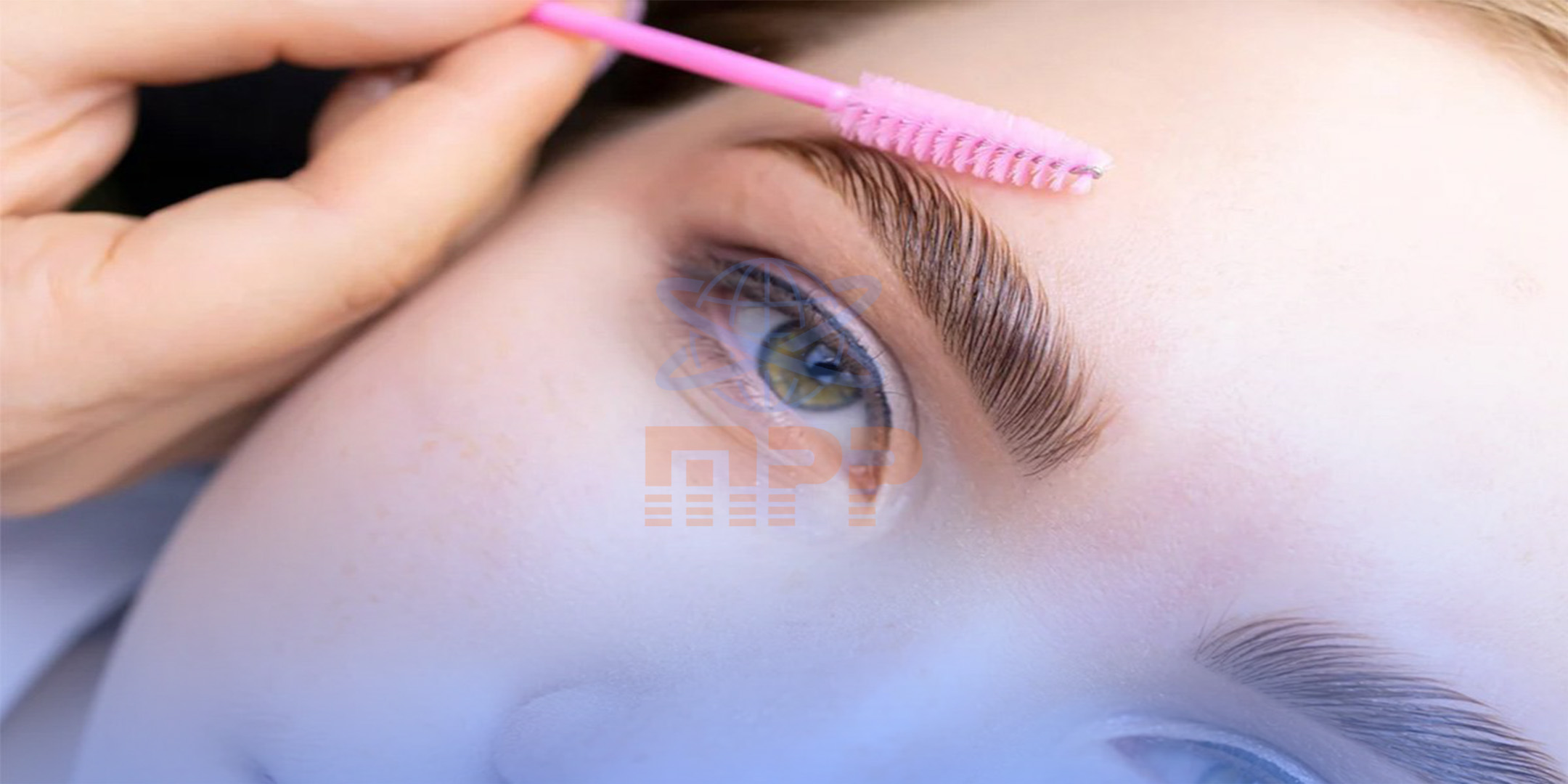
Olive oil is known as one of the best oils for skin and hair. A common home method for caring for eyebrows is combining Vaseline with olive oil. This mixture makes brows soft and shiny, but there is no scientific evidence that it stimulates brow growth. To make it, mix a teaspoon of Vaseline with a few drops of olive oil and apply it to your brows with a spoolie, brush or fingertips.
Leave the mixture on your brows overnight and wash your face well with water the next morning. For best results, use it at least once a week to keep your brows soft and tidy.
Pros and cons of using Vaseline on eyebrows
As a moisturiser and protectant, Vaseline can help maintain the natural moisture of the skin under the brows and prevent dryness and flaking. It can also make brows look shinier and tidier and prevent dry brow hairs from breaking. However, overuse, or use on oily skin, may clog pores and cause breakouts or inflammation.
The advantages of using Vaseline on your brows are:
- Keeps the skin under the brows moisturised and prevents dryness.
- Reduces breakage of dry brow hairs.
- Makes brows look shinier and tidier.
- Protects the skin and brow hairs from environmental damage.
Possible risks and drawbacks
- Clogged pores and breakouts in people with oily skin.
- Possible irritation in people with sensitive skin.
- A greasy layer and heavy feeling on the skin.
- Possible allergic reactions in some people.
Conclusion
Vaseline is a simple moisturiser that helps keep brows moisturised, shiny and tidy, but it does not increase brow growth. If your brows suddenly thin or fall out, see a doctor; the cause may be iron deficiency, thyroid problems or over-plucking. People with oily or sensitive skin should use it with caution. For high-quality petroleum jelly in bulk, you can contact Mehr Gostar, which supplies it in various quantities to cosmetic-grade standards.
Brow lift with Vaseline: how is it done?
A “brow lift with Vaseline” is really a simple styling method: brush a very small amount of Vaseline upwards through your brow hairs with a spoolie (or a soft, clean toothbrush) so the hairs stand neatly upwards and look shinier. The effect is temporary and may attract dust during the day. For longer hold, a dedicated brow gel or brow soap is used.
Frequently asked questions
Does using Vaseline on eyebrows make them grow faster?
No. Vaseline does not directly increase brow growth, but by keeping the hairs moisturised and protected it helps prevent breakage.
Does Vaseline clog pores?
In some people, especially those with oily skin, regular use of Vaseline may clog pores and cause breakouts.
Can I use Vaseline on my eyebrows every day?
Daily use in small amounts suits people with dry skin, but those with oily or sensitive skin should be careful about how much they use.
Does Vaseline irritate the skin under the brows?
Vaseline is generally not irritating, but in some people with sensitive skin it may cause allergic reactions or irritation.
Related articles and products
Submit a comment
No comments found


