 fa
 tr
 ar


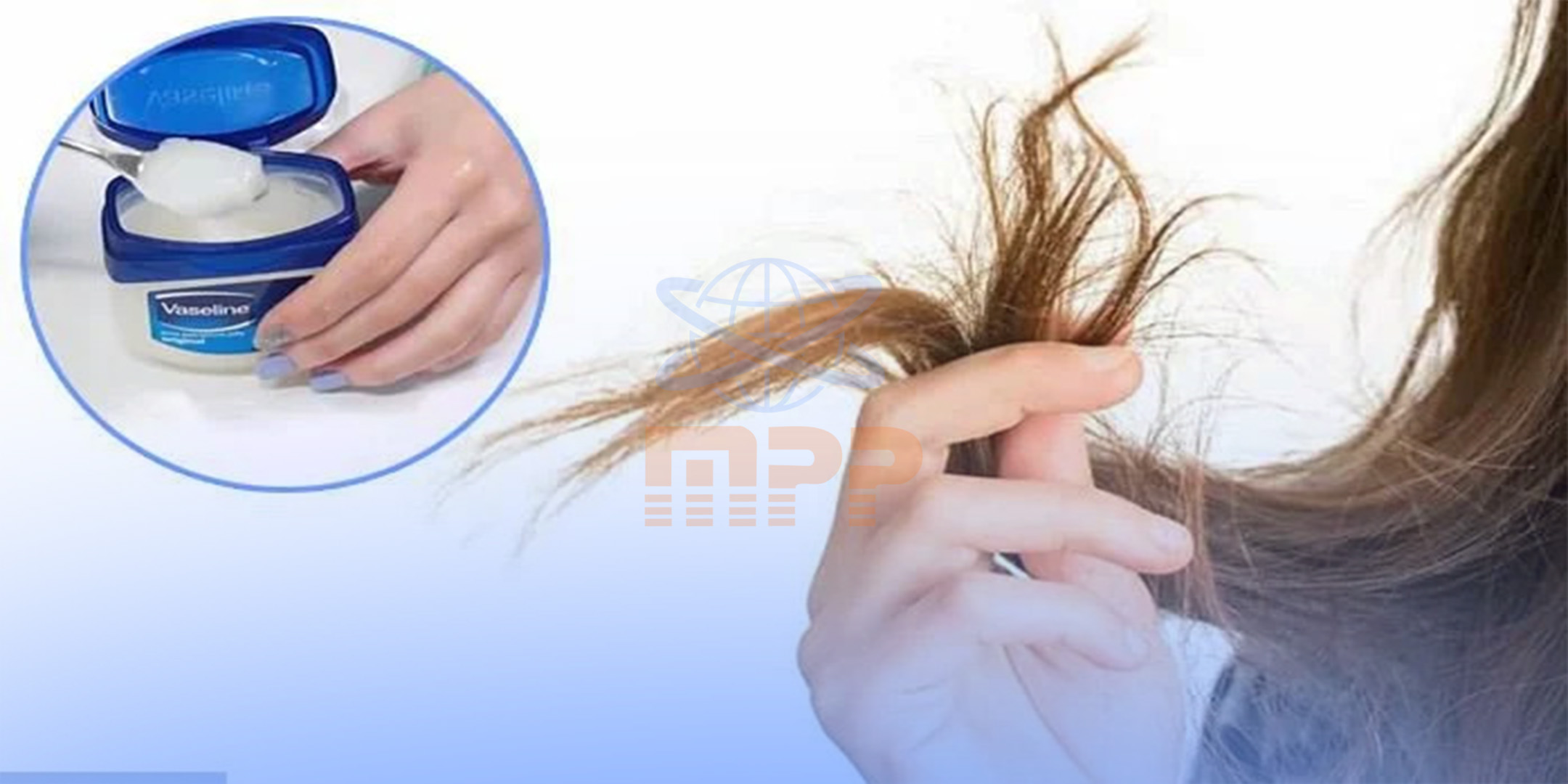
Is Vaseline good for hair? For hair, Vaseline is a “protector”, not a “booster”. By coating the hair shaft it stops moisture from evaporating, makes dry and frizzy hair look smoother and shinier and protects the ends from dryness. But Vaseline does not nourish hair, does not increase hair growth, does not treat hair loss and does not repair split ends that have already formed. In this article we look at the real benefits, the limits and the right way to use Vaseline on hair.
What is Vaseline and what does it do to hair?
Vaseline (petroleum jelly) is a refined blend of mineral oil and petroleum waxes. It does not penetrate the hair shaft or the scalp and contains no vitamins or nutrients; instead, it forms a thin, water-resistant layer on the surface of the hair. This layer keeps moisture inside the hair and reduces friction between strands.
Real benefits of Vaseline for hair
- Less dryness and frizz: a very small amount of Vaseline on dry ends makes them look softer and tidier.
- Protecting the ends: by reducing friction and moisture loss, dry ends are less likely to break; however, existing split ends can only be removed by trimming.
- Temporary shine: the Vaseline layer reflects light better, so the hair looks shinier.
- Protecting the skin when colouring hair: applying Vaseline along the hairline, behind the ears and on the neck prevents hair dye from staining the skin.
- Less scalp dryness: for flakes caused by dryness (not true dandruff), a little Vaseline may help; but dandruff is usually fungal and needs medicated shampoos.
Common myths about Vaseline for hair
- “Vaseline makes hair grow faster”: there is no scientific evidence that Vaseline increases hair growth speed or thickness.
- “Vaseline treats hair loss”: hair loss has hormonal, nutritional, genetic or medical causes, and Vaseline has no effect on them.
- “Vaseline nourishes hair”: Vaseline contains no nutrients and is not absorbed by the hair.
- “Vaseline cures dandruff”: Vaseline has no antifungal properties.
Possible drawbacks of Vaseline for hair
- Hard to wash out: Vaseline does not dissolve in water and may not come out in one wash. Two shampoos or a clarifying shampoo are usually needed.
- Heavy, greasy hair: especially fine hair or an oily scalp.
- Dust build-up on hair coated with Vaseline.
- Scalp irritation or pimples with heavy use on an oily scalp.
How to use Vaseline on hair correctly
- Warm a very small amount (about the size of a pea) of Vaseline between your palms.
- Apply it only to the lower half and the ends of dry hair; avoid the roots and an oily scalp.
- For very dry hair, you can apply it to the ends at night and wash it out with shampoo in the morning.
- To remove it, massage shampoo into dry hair first and then add water; this lifts the Vaseline more easily.
Conclusion
Vaseline is an inexpensive, simple protector for hair that reduces dryness and frizz and protects the ends, but it does not treat hair growth, hair loss or dandruff. Use it in small amounts and only on dry hair. For cosmetic use, choose only white cosmetic-grade Vaseline; hair care and cosmetic manufacturers can contact Mehr Gostar to source cosmetic petroleum jelly.
Frequently asked questions
Is Vaseline good for hair growth?
No. There is no scientific evidence that Vaseline increases hair growth or thickness; it only protects the hair’s moisture.
Does Vaseline repair split ends?
Vaseline can reduce the chance of new split ends by protecting the ends, but existing split ends can only be removed by trimming.
How do I get Vaseline out of my hair?
Massage shampoo into dry hair first and then add water; two shampoos or a clarifying shampoo are usually needed.
Does Vaseline get rid of dandruff?
No. Dandruff is usually fungal and needs medicated shampoos. Vaseline may only help with flakes caused by dryness.
Related articles and products
Submit a comment
No comments found


