 fa
 tr
 ar


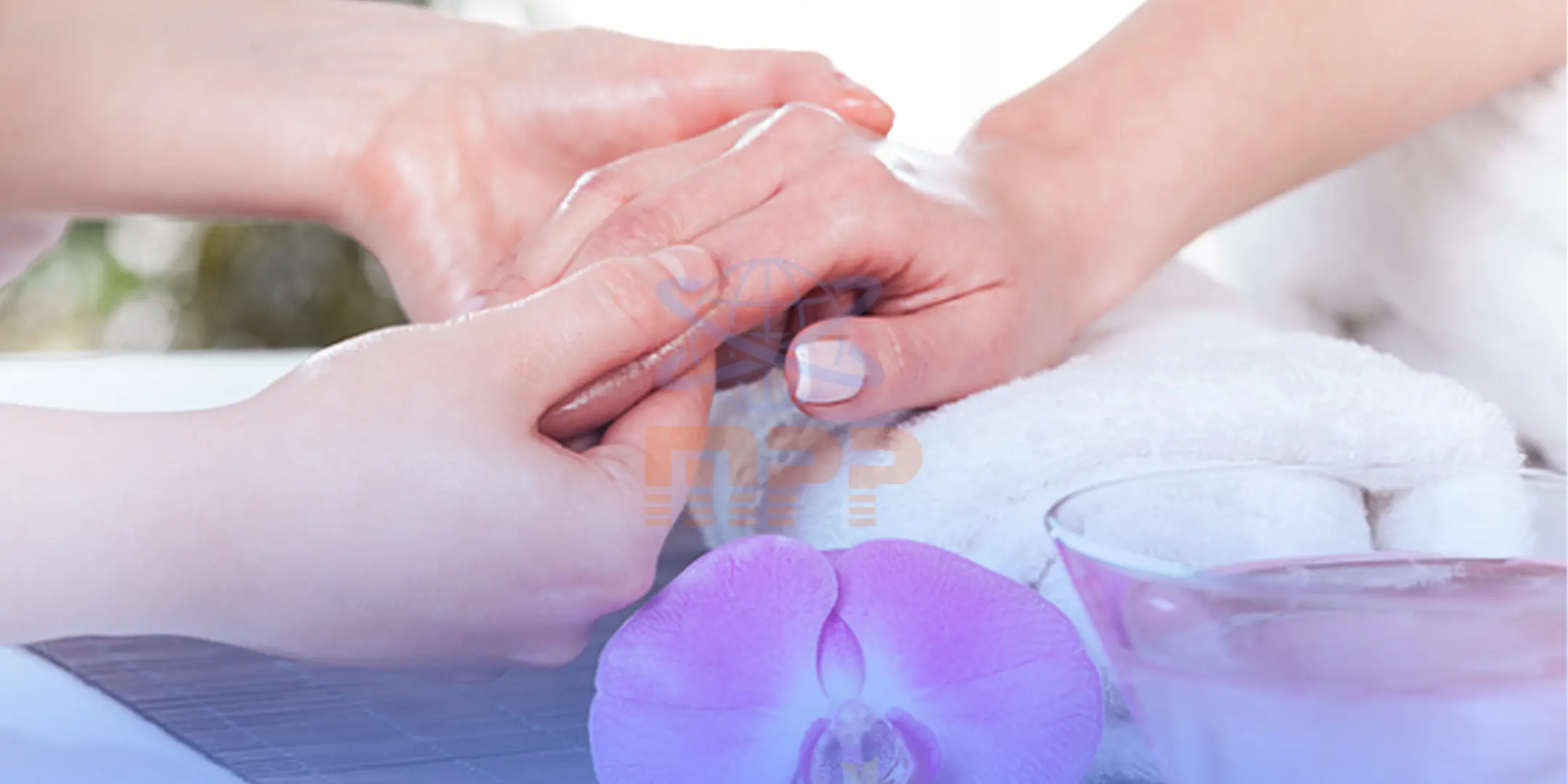
A pedicure with paraffin therapy is known as an effective way to improve the condition of the skin. Using paraffin wax, it forms a protective layer on the skin that keeps moisture in while stimulating blood circulation. Besides treating skin problems such as dryness and cracked heels, paraffin therapy for the feet can help relieve joint pain, ease muscle aches and make the skin more supple. It can easily be done at home and can effectively improve your skin and overall comfort; its benefits go beyond skin care, adding to comfort and confidence when walking.
What is paraffin therapy?
Foot paraffin therapy is a modern method for improving the condition of the skin, muscles and joints of the feet. Known for its positive effects on skin rejuvenation and on joint and muscle pain, it is used in beauty salons, treatment clinics and even at home.
Paraffin is a hydrocarbon wax that, thanks to its high latent heat of fusion and its ability to hold heat and release it slowly, is very useful for improving the condition of the skin and joints. Paraffin therapy is a form of heat therapy: by increasing blood flow in the treated area, it supports skin renewal and the nourishment of muscles and joints. It is recommended as a reliable, effective method for skin problems and for muscle- and joint-related complaints.
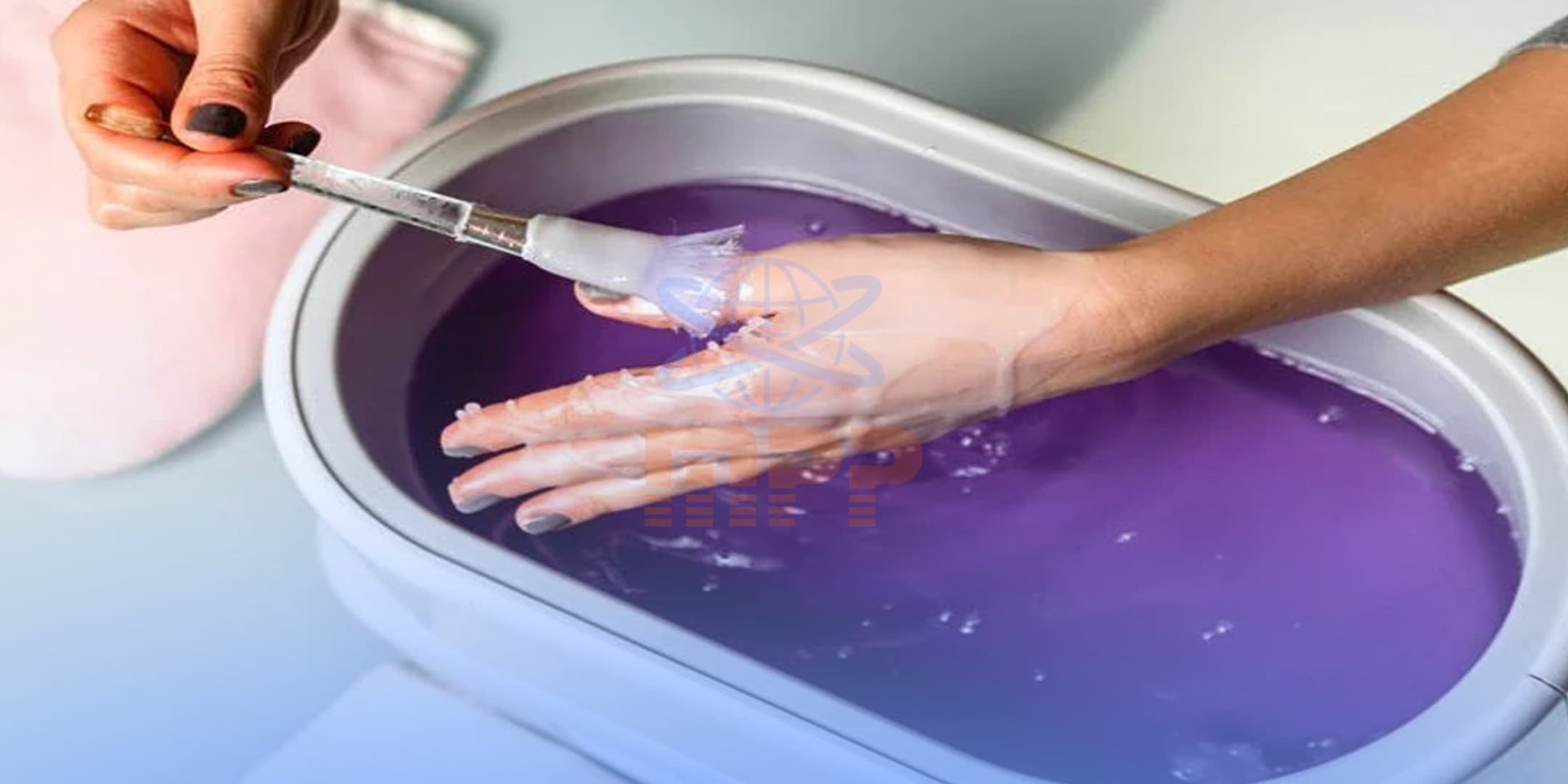
Steps of foot paraffin therapy
For the best results, it is wise to experience the treatment with a paraffin therapy specialist first and follow their advice carefully. Below, Mehr Gostar describes the steps.
Preparing the paraffin
To melt paraffin wax in a double boiler, bring water to the boil in a pot, place a suitable container over it and put the paraffin wax inside until it has melted completely. If you are wearing nail polish, remove it, then wash your feet (or hands) thoroughly with soap and water and dry them well with a lint-free towel.
- Place the paraffin over gentle heat in a double boiler.
- Add a spoonful of mineral oil to the wax so that it melts more easily and smoothly.
- When the wax has melted completely, remove it from the heat and carefully pour it into a heat-resistant container.
- Wait until a thin skin forms on top of the wax, then check the temperature with a thermometer. The wax is ready to use at about 51.7 °C (125 °F).
Caring for your feet with paraffin therapy not only helps with skin and muscle problems but also brings comfort and relaxation. You will get the best results by carefully following the guidance of a paraffin therapy specialist.
Preparing the feet
Wash your feet, or any other area to be treated, well with warm water and soap. This helps prevent contamination of the paraffin and prepares the skin for a better treatment. Dry the feet with a clean towel; after washing it is advisable to apply a rich moisturiser, because washing followed by heat can dry the skin, especially in people with dry and sensitive skin.
Dipping the feet in paraffin
Once the paraffin is ready, apply it as follows:
- First massage a few drops of olive oil into the area to be treated so the skin is soft and ready for the paraffin.
- Slowly dip the foot (or hand) fully into the paraffin and let a thin layer form on the skin.
- Wait until the paraffin firms slightly and loses its shine, then dip again, a little less deeply than before, so that the new layers build up without burning the skin.
- Repeat until you have about 5–10 layers of paraffin on the foot or hand.
Foot paraffin therapy not only improves the skin and muscles but also brings relaxation and relief from pain and muscle tension.
Covering the feet
After applying about 5–10 layers, cover the treated area with a large plastic bag, then put it in a mitt or wrap it in a towel for 15–20 minutes. This keeps the heat and moisture in the skin for longer, so you get more of the benefits and feel more relaxed and relieved.
Removing the paraffin
After 15–20 minutes, remove the mitt or towel and the plastic bag and use a soft cloth to wipe off any remaining paraffin. Then apply moisturiser thoroughly to keep the skin soft and hydrated.
Benefits of foot paraffin therapy
Paraffin therapy with a pedicure is an effective, natural way to improve the skin and ease muscle and joint problems, and it has attracted a lot of attention recently. By keeping the skin warm and moist, it softens the skin and relaxes muscles and joints. Its benefits include better skin repair, reduced muscle and joint pain, better joint function and softer, smoother skin.
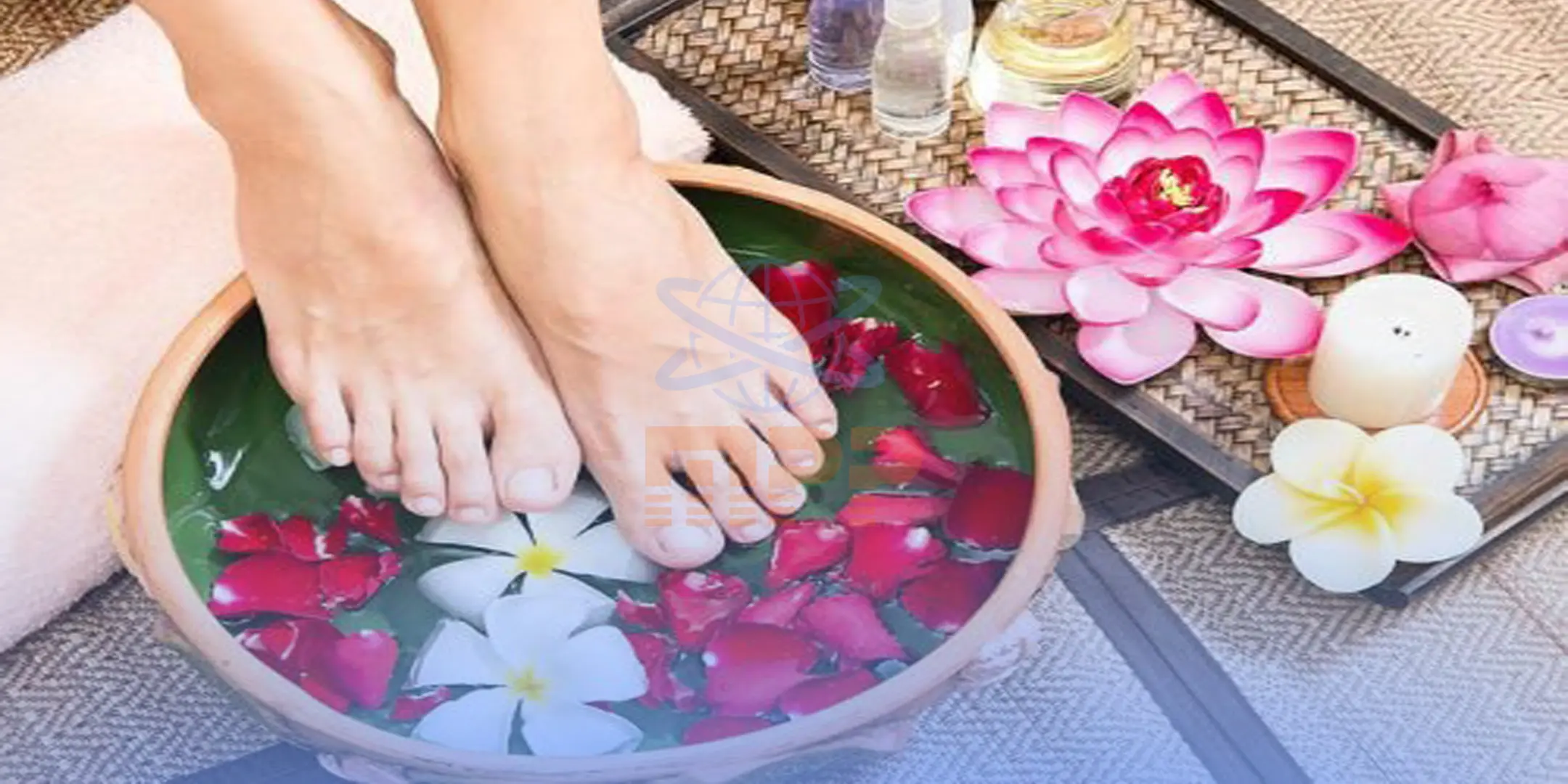
Moisturising and softening the skin
The warm wax softens the surface layers of the skin with gentle heat and by preventing water evaporation. By forming a protective layer on the skin, it reduces moisture loss and keeps the skin from drying out, so moisture stays longer in the skin layers and the skin feels softer and better protected.
Reducing pain and inflammation
Besides softening the skin, paraffin therapy has other benefits for general well-being. It can significantly help relieve various kinds of pain, including arthritis, fibromyalgia, muscle pain and bruises. Its positive effects on pain related to various conditions include:
- Reduced swelling in joints
- Pain relief in rheumatic conditions
- Reduced symptoms of fibromyalgia
- Improved joint mobility
With foot paraffin therapy, not only does your skin improve, but joint and limb function improves too.
Better blood circulation
Paraffin therapy is a form of deep heat therapy: paraffin wax transfers heat effectively to the affected area and then remains as a solid layer on the skin as it cools. This improves circulation in the area, which can help reduce muscle pain and ease its symptoms.
Healing cracked heels
Skin problems such as calluses and cracks, which usually appear on the heels and balls of the feet, result from the high pressure and impact these areas bear. Dry skin is another common problem that can cause flaking, whitening and even sores and stinging around the heels and ankles, possibly because of reduced skin oils and collagen. Paraffin therapy can help with these problems: besides hydrating and softening the skin, it helps rebuild and strengthen the skin’s protective function and helps prevent the problems from returning.
Precautions
Paraffin therapy is not suitable for everyone. People with the following conditions should avoid it:
- Poor circulation
- Numbness in the hands or feet
- Diabetes, because of the risk of skin damage and infection
- Any pimples or open wounds, as paraffin can lead to skin infections
- Chemical sensitivities, as they may react allergically to paraffin and experience swelling or skin breakouts
When doing paraffin therapy at home, make sure the paraffin wax does not overheat, as this can cause a fire. Also, do not use the paraffin if its temperature is above about 52 °C.
Does paraffin therapy have side effects?
Paraffin wax is tested in laboratories to make sure it is safe and hygienic for use on the body. Therapy-grade paraffin has a low melting point and is applied to the skin at about 50–52 °C; however, if it gets too hot it can cause burns or blisters, so always check the temperature with a thermometer. If your skin is very sensitive, paraffin wax may cause heat rash, small red bumps on the skin that can itch and be uncomfortable.
The right paraffin for foot paraffin therapy
For foot paraffin therapy, use fully refined, cosmetic-grade paraffin with a low melting point. Candle or industrial paraffin may contain impurities or have an unsuitable colour or odour. Therapy paraffin should be white and odourless and come with an analysis sheet. For hygiene reasons, do not reuse paraffin.
How often should foot paraffin therapy be done?
For dry, cracked heels, once or twice a week is usually enough. After each session, apply a moisturiser or urea cream and wear cotton socks to make the effect last longer. If the cracks are deep, painful or bleeding, consult a doctor first.
Conclusion
Foot paraffin therapy is an effective way to improve the skin of the feet and relieve problems such as dryness, cracks and pain. The paraffin layer prevents moisture evaporation so the skin retains moisture better, which improves its strength and suppleness. Thanks to the heat, it also improves circulation and can help reduce pain and inflammation related to conditions such as arthritis and fibromyalgia. It is easy to do at home once you have learned how, and by following the steps and hygiene advice carefully it can become an important part of your skin care routine. Before starting any treatment, consult your doctor, especially if you have conditions such as diabetes or chemical sensitivities.
Frequently asked questions
Does foot paraffin therapy help with calluses and cracked heels?
By softening and moisturising the skin, paraffin therapy improves the appearance and reduces dryness of calluses and superficial cracks. For deep, painful cracks, consult a doctor.
Is foot paraffin therapy suitable for people with diabetes?
It is usually not recommended, because people with diabetes may not notice if the paraffin is too hot due to reduced sensation in the feet. Only do it with a doctor’s approval and careful temperature control.
What is the right paraffin temperature for foot therapy?
About 50–52 °C. Always check with a thermometer and first test a small amount on your wrist.
Can foot paraffin therapy be done at home?
Yes, with a paraffin bath or a double boiler, fully refined cosmetic-grade paraffin and careful temperature control, it can be done at home.
How often should foot paraffin therapy be done?
For dry, cracked skin, once or twice a week is usually enough.
Related articles and products
Submit a comment
No comments found


