 fa
 tr
 ar


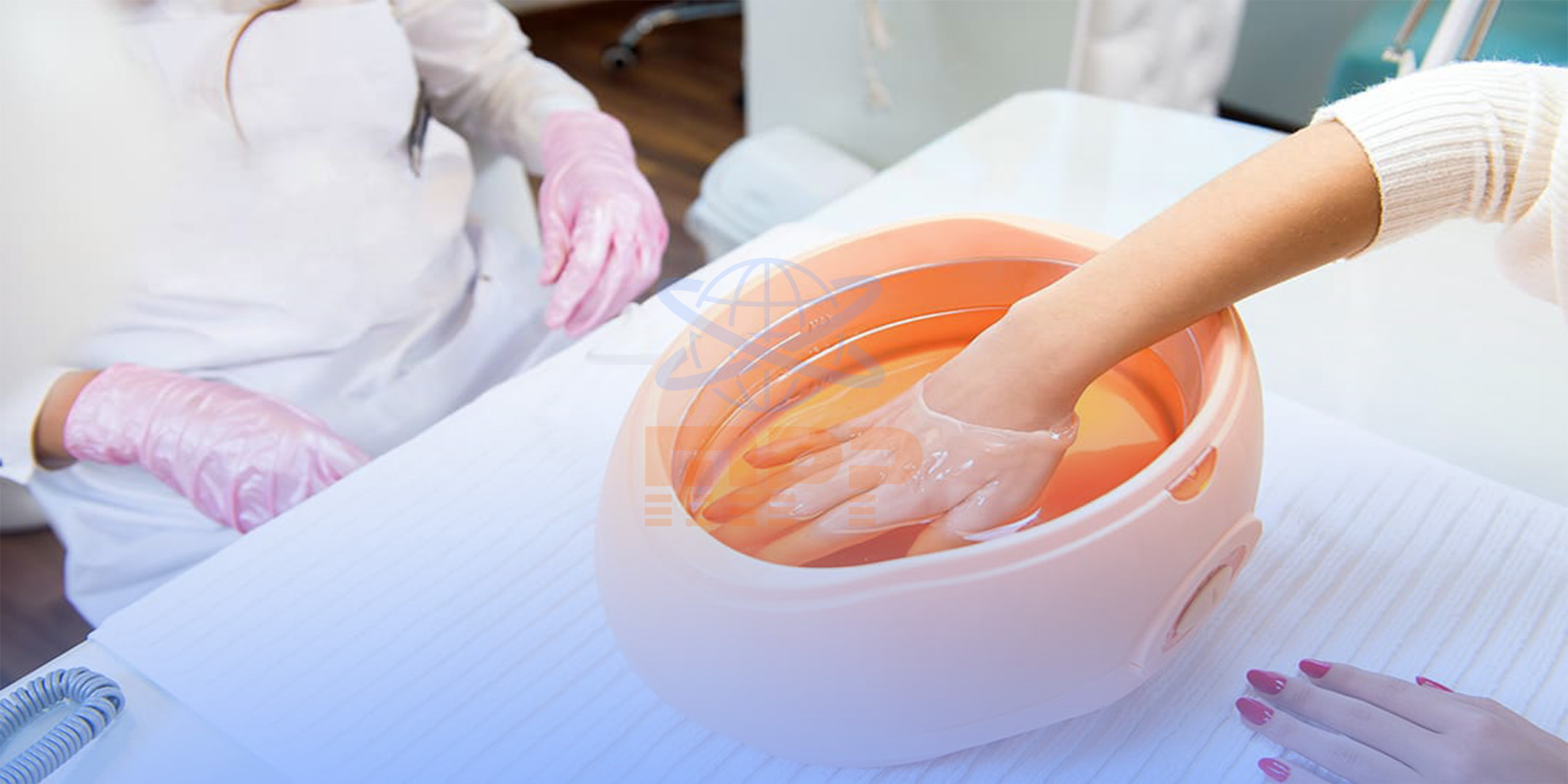
What is paraffin therapy?
Paraffin was first identified in 1830 by the German chemist Karl von Reichenbach, and industrial production began in the 1850s. This white, odourless material was soon recognised as the raw material for high-quality, clean-burning candles. The main weakness of early paraffin was its low melting point, which was later solved by adding stearic acid. In the early 20th century, paraffin had wide uses in the United States, including candle making and sealing meat for long-term storage, and from the second half of the 19th century paraffin candles replaced candles made from tallow and animal fat. Today paraffin is a widely used chemical product found in candles, coated paper, linings for wooden food containers, wax additives, electrical insulation, paper and textile production, dry cleaning and many other industries. Below we explain what paraffin therapy is and what benefits it offers.
Paraffin wax treatment is a beauty and therapeutic method that works by delivering heat and moisture to the muscles and the outer layer of the skin. It has been used since the 1930s to treat orthopaedic injuries and is now used to relax and relieve muscle and joint pain. Paraffin wax, a soft solid made of saturated hydrocarbons, is used in beauty salons, especially during manicures and pedicures. It is colourless, tasteless and odourless and can help ease joint and muscle pain.
Benefits of paraffin
Paraffin therapy is a form of heat therapy with many therapeutic benefits. It uses paraffin wax’s ability to hold heat and transfer it to the deeper layers of skin and muscle, which helps relieve pain, sprains, muscle stiffness and arthritis pain. It can also increase range of motion, prepare muscles for exercise and condition them as part of progressive physiotherapy.
Other benefits of paraffin therapy include widening of the blood vessels and increased blood flow, which delivers oxygen to the cells of the injured area and helps remove waste products. The treatment also raises the pain threshold and relaxes and loosens the muscles, allowing a wider range of motion with suitable physiotherapy.
In beauty treatments, paraffin therapy helps heal cracked skin, smooth the skin of the face and body, and hydrate and strengthen the skin, leaving it moisturised.
Benefits of paraffin therapy for the face:
- Better circulation: the warmth of the paraffin wax opens the blood vessels and increases circulation under the skin, making the face look brighter and clearer.
- Relaxed facial muscles: the gentle warmth is relaxing and, by keeping the skin moist, makes lines caused by dryness less visible; however, paraffin therapy does not treat wrinkles.
- Moisture retention: the paraffin layer stops moisture evaporating from the skin, which feels softer and smoother after treatment.
Medical benefits of paraffin therapy:
- Relief of arthritis, joint stiffness and rheumatic joint pain.
- Better circulation in the hands and feet and relief of swelling and stiffness after sprains.
Making paraffin for home use
To prepare paraffin for home treatments, follow these steps.
Prepare the materials: you need fully refined cosmetic-grade solid paraffin, a small amount of liquid paraffin or vegetable oil to lower the melting point and, if you like, a few drops of essential oil. (Beeswax is a natural alternative, but it is not paraffin and has a higher melting point.)
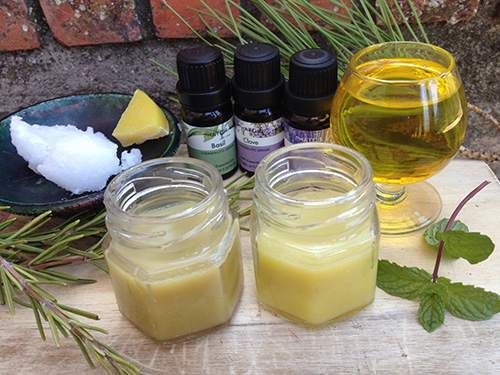
Melt the wax: melt the paraffin in a double boiler (a container inside hot water) over gentle heat, and never put it directly over a flame.
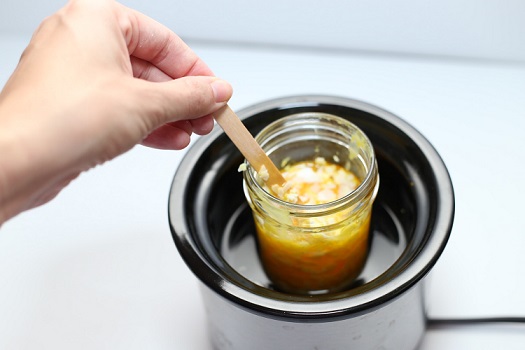
Add the oil: once the wax has melted, add your chosen oil and stir until the mixture is liquid and uniform.
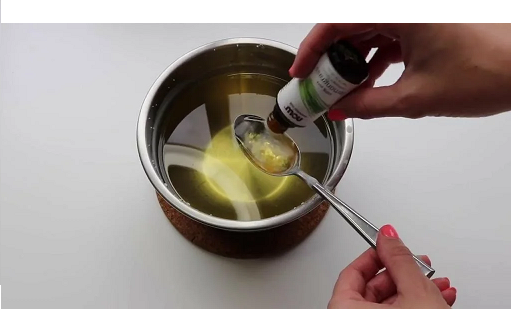
Add fragrance: at this stage you can add perfume or essential oils to give the paraffin a pleasant scent.
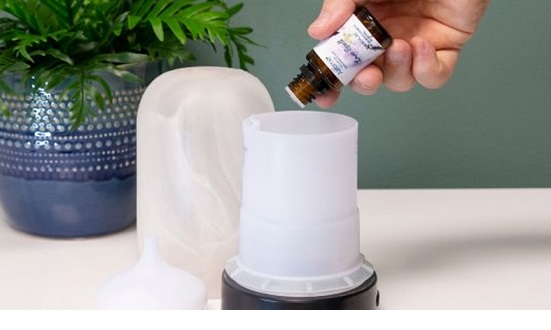
Pour into moulds: pour the paraffin mixture into suitable moulds (such as small containers) and let it cool completely and set.
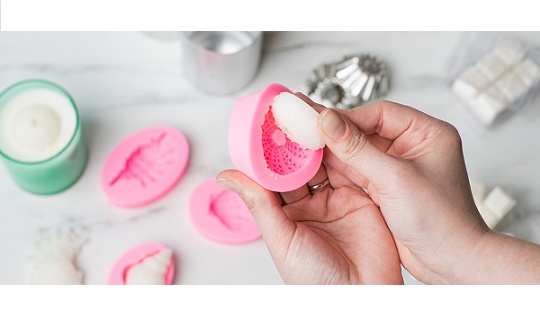
Once fully cooled, you can remove the paraffin blocks from the moulds and use them for beauty or therapeutic treatments.
Steps of paraffin therapy
Paraffin therapy follows specific steps that should be followed carefully to make sure it is done correctly and effectively.
- Prepare the paraffin wax: first heat the wax in a paraffin therapy bath. These units melt the wax at a therapeutic temperature and keep it constant throughout and after the treatment.
- Prepare the area: before the treatment, clean and shape the nails and exfoliate the skin to get the most from the treatment. Remove jewellery and clothing from the area and cover other parts with a towel or protective liner if needed.
- Clean the area: clean the area with a suitable antiseptic spray and make sure it is dry.
- Apply a moisturiser: apply a non-greasy moisturising cream, especially to the driest spots. This step is essential for hydrating beauty treatments.
- Dip the area into the paraffin bath: dip the area into the bath and hold it there for a few seconds so it is fully coated with paraffin wax.
- Repeat: repeat several times to build up more layers of paraffin on the treated area.
- Cool and remove: once the paraffin has cooled, peel it off in one piece, throw it away and do not reuse it.
- Finish: apply a moisturising cream to keep the treated area soft and hydrated.
- Clean up: if the treatment was for the hands or feet, the person is now ready for a manicure or pedicure.
It is best to treat one part of the body at a time and work through the whole body gradually over the session.
Important tips for paraffin therapy
- Check the temperature: the paraffin wax must be at the right temperature to avoid burns or skin damage.
- Prevent allergies: before treatment, make sure the person is not allergic to any of the materials used.
- Hygiene: tools and equipment must be clean and hygienic to avoid passing on infections.
- Follow the steps exactly: follow the paraffin therapy steps carefully to get the best results.
- Protect the skin: after treatment, use moisturising creams to keep the skin hydrated and prevent dryness.
- Get medical advice: if there are skin problems or other medical conditions, consult a doctor first.
Correct temperature and number of layers
Paraffin therapy uses fully refined paraffin with a low melting point (usually about 50 to 54 °C), sometimes mixed with a little liquid paraffin to lower the working temperature. The molten paraffin is usually used at about 50 to 52 °C. Before each use, check the temperature with a thermometer and test a small amount on your wrist.
| Purpose | Typical number of layers | Holding time |
|---|---|---|
| Beauty and moisturising for hands and feet | 3 to 10 layers | 10 to 20 minutes |
| Joint heat therapy (physiotherapy) | 8 to 12 layers | 15 to 20 minutes |
Who should not have paraffin therapy?
- People with numbness, reduced sensation or diabetic neuropathy in the hands or feet, because they may not feel excessive heat and could be burned.
- People with poor circulation or peripheral vascular disease.
- Anyone with open wounds, skin infections, rashes or acute inflammation in the treatment area.
- People allergic to paraffin or to added fragrances.
In these cases, always consult a doctor before paraffin therapy.
Choosing the right paraffin for paraffin therapy
For paraffin therapy, use only fully refined cosmetic-grade paraffin; industrial or candle paraffin may contain impurities, colour or unsuitable fragrance. Therapy paraffin should be white, odourless and supplied with a certificate of analysis. For hygiene reasons, do not reuse paraffin that has already been used.
Advantages of paraffin therapy
With its ability to help heal cracked skin, smooth the skin of the face and body and hydrate and strengthen the skin, paraffin therapy is known as an effective and efficient beauty treatment. By hydrating the skin, it prevents dryness and the cracks it causes and leaves the skin glowing and soft, giving it a healthier, more youthful appearance.
Risks of paraffin therapy
Using paraffin to rejuvenate the skin of the hands and body has both benefits and risks. On the one hand, paraffin effectively reduces dryness and leaves the skin soft and moisturised; on the other hand, careless or incorrect use can cause side effects.
Possible side effects include skin allergy, irritation from the heat of the paraffin and burns from paraffin that is too hot. People with chronic conditions such as varicose veins, high blood pressure or diabetes should avoid paraffin skin treatments, or consult a doctor first, to prevent serious complications. Because facial skin is sensitive, paraffin should be used on the face with particular care to avoid itching, redness and irritation.
Frequently asked questions
What is paraffin therapy?
Paraffin therapy is a heat therapy and skincare method in which the hands, feet or another area are dipped several times into molten paraffin at about 50 to 52 °C so that heat is transferred gently and the skin’s moisture is retained.
What are the benefits of paraffin therapy?
Softening and moisturising dry, cracked skin, temporary relief of joint pain and stiffness (for example in hand arthritis) and better flexibility before physiotherapy exercises.
What is the right paraffin temperature for paraffin therapy?
Usually about 50 to 52 °C. Always check with a thermometer and test a small amount on your wrist before starting.
Who should not have paraffin therapy?
People with numbness or diabetic neuropathy, poor circulation, open wounds, infections or acute skin inflammation and allergy to paraffin; in these cases, consult a doctor first.
Which paraffin is suitable for paraffin therapy?
Fully refined, cosmetic-grade paraffin with a low melting point that is white and odourless; industrial or candle paraffin is not suitable.
Related articles and products
Submit a comment
No comments found


