 fa
 tr
 ar


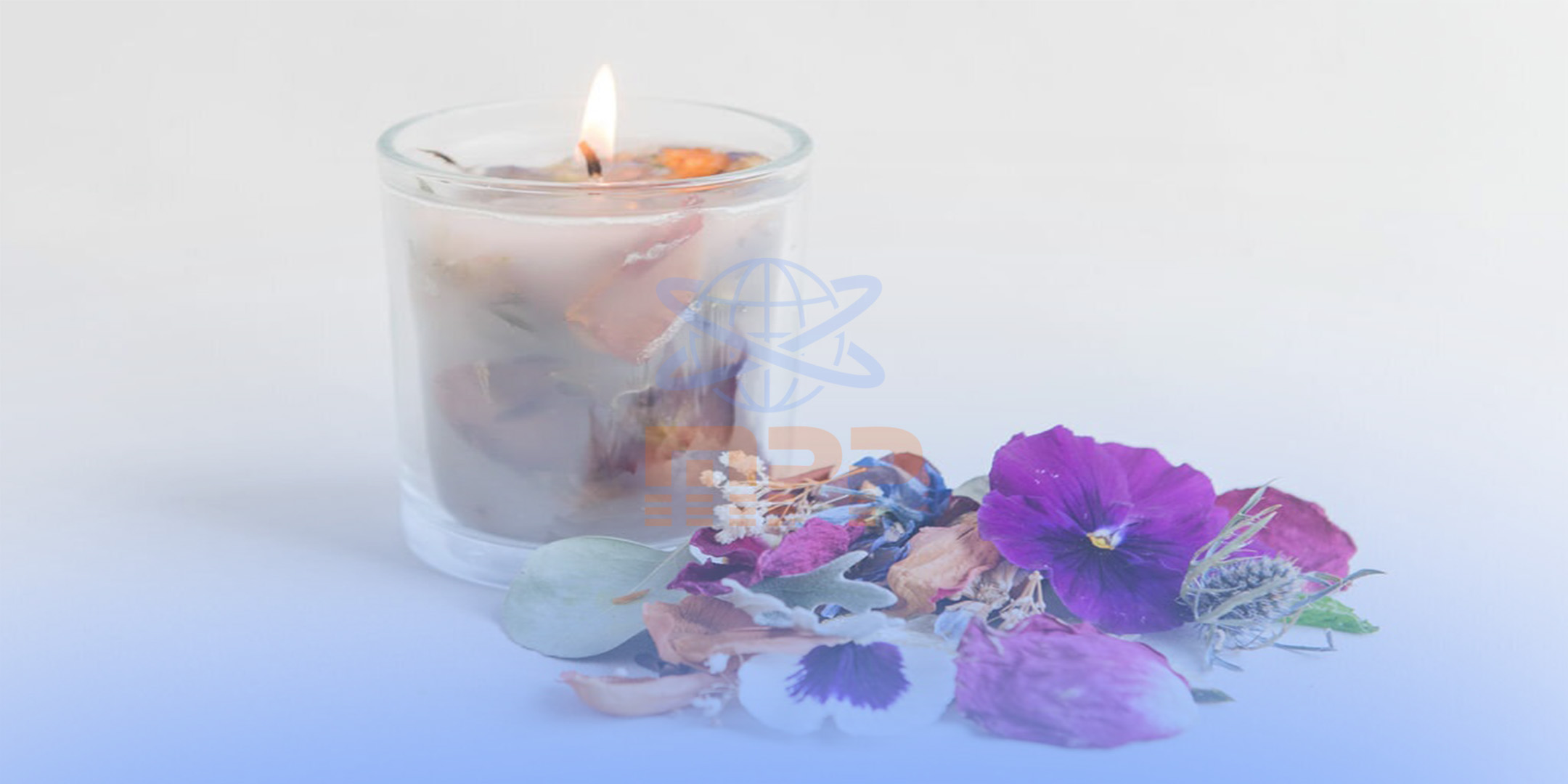
What is flower paraffin?
Flower paraffin is a soft, flexible type of paraffin wax, usually made from paraffin with a higher oil content or from a blend of paraffin and microcrystalline wax, and its special properties make it useful in several industries. In short, unlike ordinary paraffin, it has a denser structure and much greater flexibility. Below we look at this material and its uses in more detail.
Types of flower paraffin
Flower paraffin looks similar to ordinary paraffin, but it is more elastic and sets more slowly. These properties make it very suitable for making all kinds of decorative flowers. Its oil content is higher than that of hard paraffins (typically about 5–7% on the market). There are several types, each with its own properties and best uses:
- Standard flower paraffin: highly elastic and flexible, suitable for decorative candles and flower petals. A glossy surface and easy shaping are its main features.
- Microcrystalline flower paraffin: has a higher oil content (around 5–7%) and suits handmade candles with finer detail and decorative flowers with more complex shapes.
- Crystal-type flower paraffin: made from more highly refined paraffin, it is whiter and of higher quality. It is more translucent and takes colour more evenly, so it is ideal for colourful candles and translucent decorative flowers.
- Low-oil flower paraffin: used for candles that need more strength. A lower oil content means less elasticity, but the finished product is less prone to deforming.
Depending on your needs, you can choose between these types of flower paraffin to get the best result in your art and decoration projects.
Uses of flower paraffin
- Decorative candles: one of the main uses of flower paraffin. Thanks to its high mouldability and clean burn, it is used to make decorative candles such as rose candles, which are popular for their attractive look and good burning quality.
- Cosmetics and personal care: soft, refined paraffins similar to flower paraffin are used in some creams and lotions as emollients and to retain moisture; only cosmetic-grade material is suitable for these uses.
- Protective coatings: soft paraffins are used in some coatings that protect against moisture and air; however, only food-grade paraffin may be used in contact with food.
- Rubber and plastics: used as an additive that helps improve the mechanical and chemical properties of products.
- Textiles: in fabric and textile production, this type of paraffin is used as a water-repellent and protective agent.
Properties of flower paraffin
- Oily, dense structure: this allows it to take shape well and be used in a variety of moulds.
- Melting point: depending on the formula, it can be close to or slightly different from that of ordinary paraffin; its key feature is softness and mouldability, not its melting point.
- Slow burning: with the right wick, flower paraffin burns slowly; but because it is soft, candles meant to burn for a long time are better made with a core of harder paraffin.
- High flexibility and mouldability: thanks to its microcrystalline content, it is very flexible and can easily be formed into different shapes.
Flower paraffin vs. solid and crystal paraffin
| Property | Flower paraffin | Standard solid paraffin | Crystal paraffin |
|---|---|---|---|
| Texture | Soft, elastic and mouldable | Hard and brittle | Hard, glossy and crystalline |
| Oil content | Higher (usually a few percent) | Medium | Very low |
| Shaping by hand | Yes, when lukewarm | No | No |
| Main use | Rose candles, petals and handmade decorations | Moulded candles, industry | Glossy decorative candles |
Quick guide: making petals with flower paraffin
- Melt the flower paraffin in a double boiler (bain-marie) and add candle dye if you like.
- Pour the paraffin as a thin layer onto a flat, greased surface (for example a metal tray).
- When the layer is semi-firm and lukewarm, cut out petals with a craft knife or cutter.
- While the petals are still warm and soft, shape them with your fingers and press them around the wick or candle core.
- If the paraffin becomes cold and brittle, dip it in warm water for a few seconds to soften it again.
For safety, never heat paraffin directly over a flame, and check the temperature with a thermometer.
Conclusion
Thanks to its special properties, such as clean burning, high flexibility and the ability to be shaped by hand, flower paraffin is used in many fields, from beautiful decorative candles to coatings and other industrial uses. Mehr Gostar Paraffin Refining produces and supplies a range of paraffins for industrial use, candle making and crafts, with a variety of qualities and specifications. With reliable quality and professional service, buying paraffin for your art and decoration projects becomes a safe and enjoyable experience.
Frequently asked questions
What is flower paraffin?
Flower paraffin is a soft, elastic paraffin that can be shaped by hand when lukewarm and is used to make rose candles, petals and handmade decorations.
How is flower paraffin different from ordinary paraffin?
Flower paraffin has a higher oil content, is more flexible and sets more slowly, while ordinary paraffin is hard and brittle and cannot be shaped by hand.
Why does flower paraffin crack while shaping?
Usually because it has cooled too much. Dip the sheet in warm water for a few seconds to soften it again.
Can flower paraffin be coloured?
Yes, it can be coloured with candle dyes while it is melted.
Related articles and products
Submit a comment
No comments found


