 fa
 tr
 ar


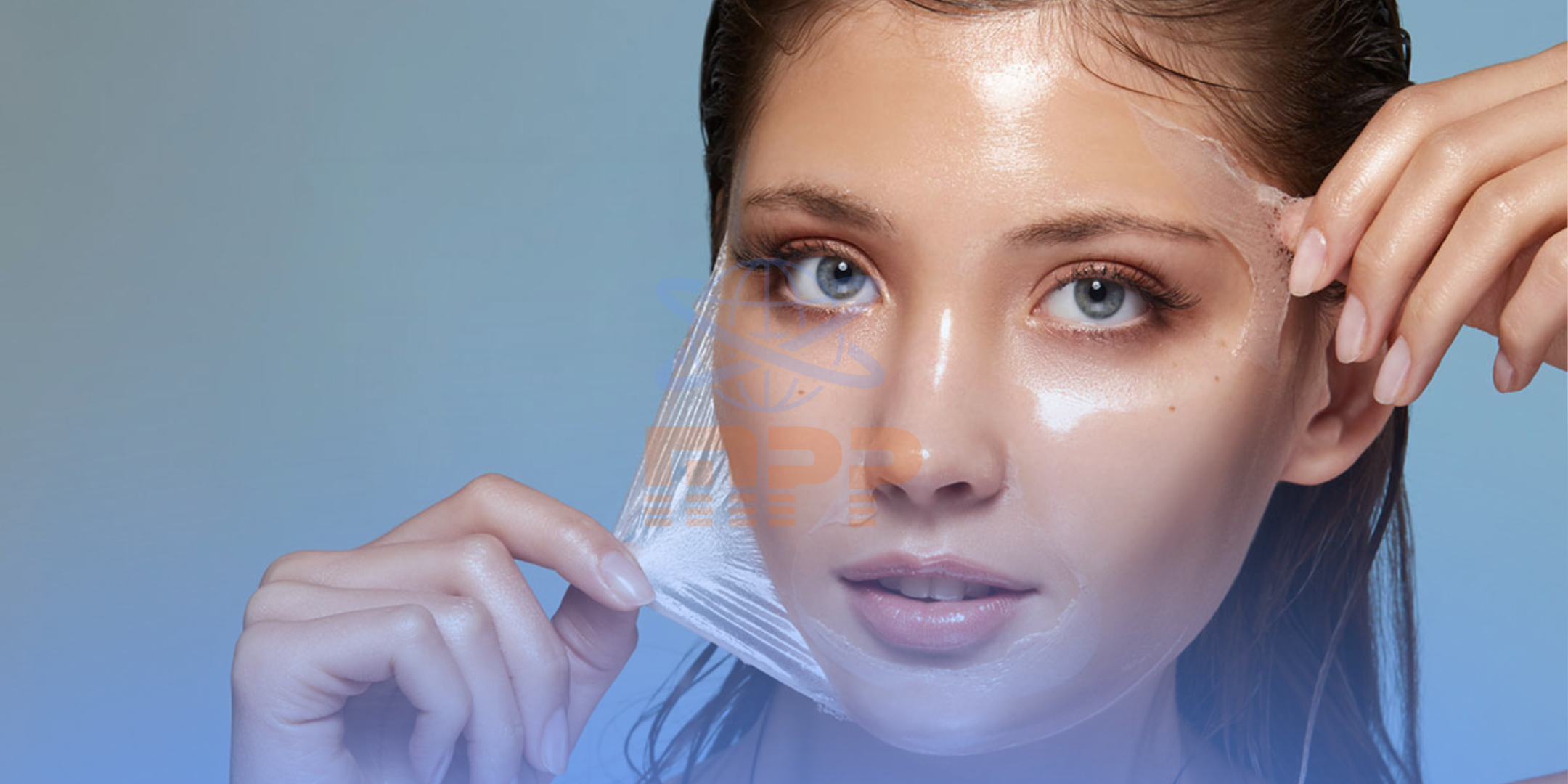
What is facial waxing?
What is wax? Waxing is a hair removal method you can do at home or in a beauty salon. If you are trying it for the first time, it is best to have it done by an experienced person to avoid burning the skin. It uses a sticky material, wax or resin, and is popular with both men and women because it removes unwanted hair along with dead skin cells. The wax or resin sticks to the hair and the dead surface cells, and pulling it off the skin removes them completely. Because the process also lifts the top layer of dead cells, the skin looks smoother.
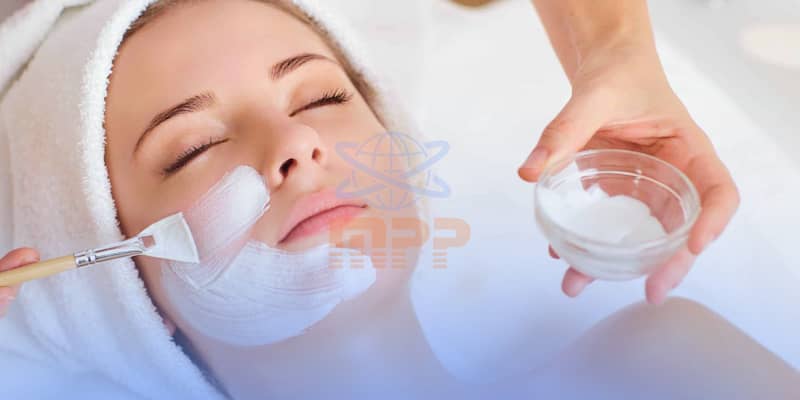
Steps for facial waxing
In this Mehr Gostar article we explain what wax is and go through the complete steps of facial waxing: cleansing and preparing the skin, heating the wax, applying it and removing the hair, and caring for the skin afterwards. By following these steps carefully and using suitable products, you can do it safely and with good results.
Step 1: Cleanse the skin
Before you start, cleanse the skin thoroughly with gels or solutions that have softening and anti-inflammatory properties. Products containing aloe vera, available at pharmacies, are very suitable for sensitive skin.
Step 2: Prepare and heat the wax
A facial wax from the pharmacy that needs to be heated is the best option. Heat it according to the manufacturer’s instructions in a wax heater, a double boiler or a microwave, and test the temperature on your wrist before use so that it does not burn the skin.
Step 3: Apply the wax and remove the hair
Once the wax is ready, apply it in a thin layer to the areas with unwanted hair. Then place a cloth strip on the wax and pull it off in a quick movement against the direction of hair growth to remove the hair.
Step 4: Skin care after waxing
Redness and sensitivity are likely after waxing. To reduce redness, use a cool cloth or pad or a cooling water-based mask such as a cucumber mask. These steps help you wax your face as well as possible with minimal side effects.
Important tips after waxing
For better and easier results, keep a few key points in mind. First, let the hair grow long enough: hair shorter than about 3 mm does not come out well. The best interval between waxing sessions is about 4–6 weeks.
- Do not wax facial skin with severe acne, as it may worsen breakouts or leave lasting marks.
- Moisturising after waxing is important; aloe vera moisturisers are best, while greasy, oil-based moisturisers are not recommended because they may clog pores and cause breakouts.
- After facial waxing the skin is sensitive and thin, so avoid direct sunlight for at least 24 hours and use a high-SPF sunscreen if needed.
- The person doing the waxing must follow hygiene rules and use disposable tools.
By following these tips you can get the best results from facial waxing and enjoy smooth, hair-free skin.
Benefits of waxing
As a reliable method of removing unwanted facial hair, waxing has many benefits:
- By removing unwanted hair, waxing leaves the facial skin completely smooth.
- Compared with methods such as depilatory creams, waxing removes hair from the root, so regrowth takes longer than after shaving or depilatory creams.
- Besides removing hair, waxing removes dead skin cells, making the skin softer and brighter.
- With the surface dead cells removed, the skin feels softer after waxing.
- Unlike shaving, waxing does not leave a dark stubble shadow on the skin.
With these advantages, waxing is recognised as an effective method for improving the look of facial skin. Hair removal wax manufacturers can contact Mehr Gostar’s experts to source fully refined paraffin and petroleum jelly.

Disadvantages of waxing
Using wax to remove facial hair also has drawbacks that are important to consider:
- Waxing can cause pain and discomfort for some people, especially in sensitive areas such as the upper lip or below the eyebrows.
- Some people are sensitive to wax, which can lead to inflammation, redness, itching or even allergy.
- Waxing can increase the risk of lasting dark marks on the skin, especially if it is done incorrectly or on sensitive skin.
- Waxing may cause breakouts in sensitive areas or if done incorrectly, especially in people whose skin is acne-prone.
- Wax does not remove very short hair well, so the hair must be long enough for good results.
- Salon waxing costs money and requires regular visits, which some people find inconvenient.
Given these drawbacks, weigh the pros and cons carefully before waxing and use proper techniques to reduce skin problems and discomfort afterwards.

What is hair removal wax made of? The role of paraffin in wax
Hair removal waxes are usually made from a combination of several main ingredients:
- Resin (colophony/rosin): the main ingredient that makes the wax grip the hair.
- Beeswax and paraffin: give the wax body, consistency and flexibility and set its melting point. Because it is odourless and colourless, fully refined paraffin is widely used in hard waxes (wax beads and pearls).
- Oils and emollients: such as liquid paraffin or plant oils, which make the wax release from the skin more easily and reduce irritation.
- Additives: such as titanium dioxide, azulene, aloe vera or fragrances for colour, scent and skin soothing.
The quality of the paraffin directly affects the odour, colour, working temperature and skin feel of the wax, which is why wax manufacturers use fully refined paraffin with a specified melting point.
Types of hair removal wax
- Soft (strip) wax: applied in a thin layer and removed with a cloth strip; suitable for large areas.
- Hard wax (beads and pearls): hardens as it cools and is removed without strips; better for the face and sensitive areas.
- Cold wax (ready-made strips): needs no heating and is convenient for quick use at home.
- Sugaring: made from sugar, water and lemon juice, and washes off with water.
What is the difference between wax and “moom”?
In practice there is no fundamental difference between the two. In Persian usage, hot wax removed with a special cloth strip is called “moom” (strip waxing), while wax removed without a cloth is called “wax”: hard wax beads or pearls soften when heated and are peeled off the skin after cooling.
Conclusion
Facial waxing is a popular method of removing unwanted hair using sticky materials such as wax. It is applied directly to the skin, with or without strips, and removes hair from the root. It temporarily smooths the skin and removes dead cells, leaving it softer and brighter. With regular waxing, the time until regrowth gets longer and new hair often looks finer. However, incorrect waxing can cause side effects such as skin inflammation, redness or even allergy. For better results, understand what wax is before you start, follow hygiene guidance and use suitable aftercare products.
Frequently asked questions
What is wax?
Wax is a sticky mixture of resin, beeswax, paraffin and oils that is applied to the skin after heating and pulls unwanted hair out by the root.
How is facial waxing done?
The skin is cleaned and dried, warm wax is applied in the direction of hair growth, and it is then removed with a strip, or after hardening, with a quick movement against the direction of growth.
How often should I wax my face?
Usually every 4–6 weeks; the hair should be at least about 3 mm long.
What role does paraffin play in hair removal wax?
Fully refined paraffin gives the wax consistency and flexibility, sets its melting point and, being odourless and colourless, is widely used in hard waxes.
Who should not wax?
People with inflamed acne, wounds, sunburn or irritation in the area, or who use skin-thinning medicines such as retinoids, should consult a doctor before waxing.
Related articles and products
Submit a comment
No comments found


