 fa
 tr
 ar


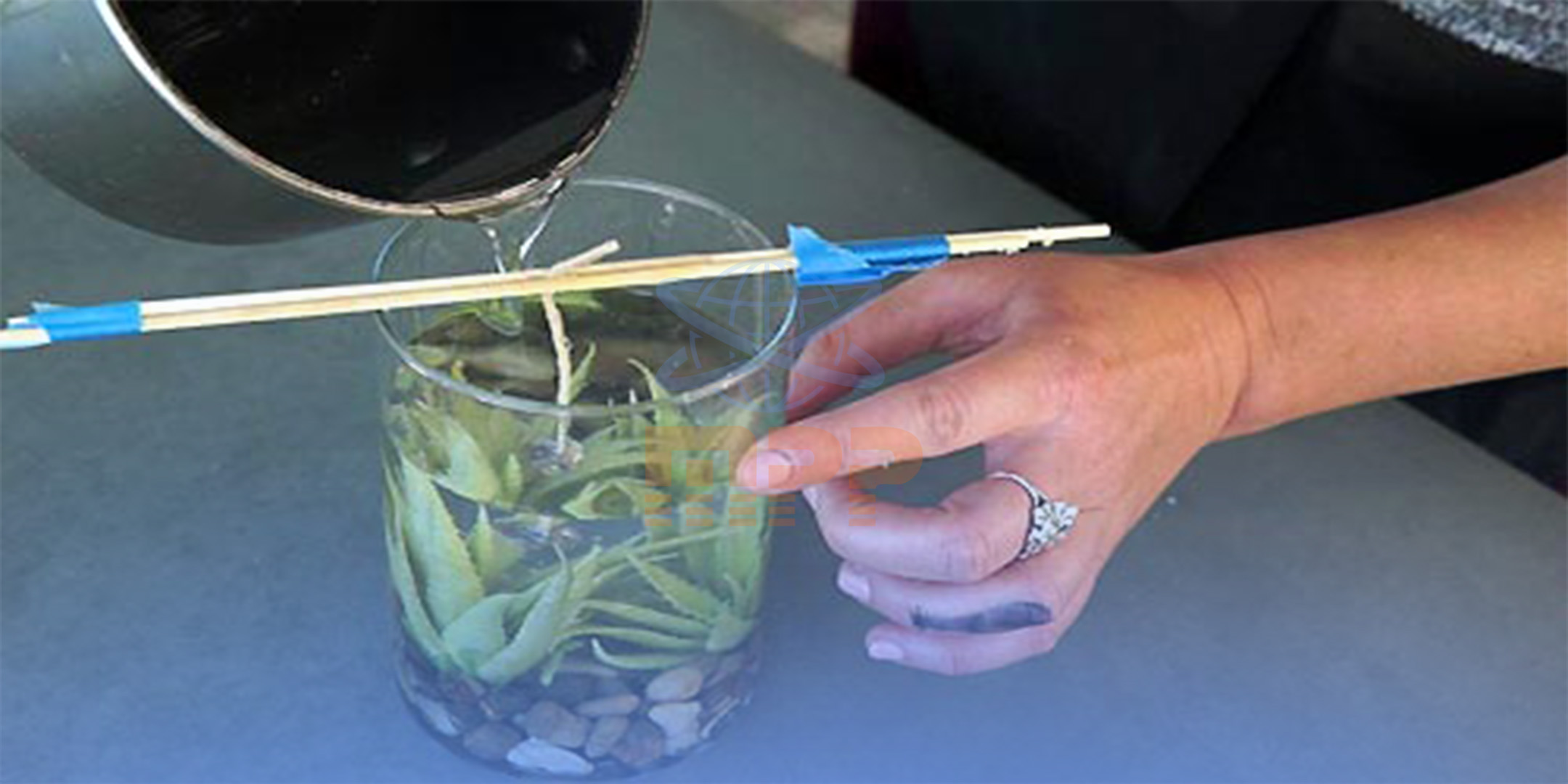
To melt gel paraffin properly, you need the right methods and containers so that its quality is preserved and problems such as scorching or bubbles are avoided. Gel paraffin, used mainly for decorative purposes, needs gentle melting with careful, indirect heat. In this article we look at suitable methods, the right containers and key tips for melting gel paraffin, and answer the question of how to melt it.
What is gel paraffin and what are its properties?

Gel paraffin is a special candle-making material used mainly for decorative purposes. Unlike other candle waxes such as flower paraffin or crystal paraffin, gel paraffin has a gel structure (a blend of mineral oil and a polymer), cannot be shaped by hand and is usually poured into glasses or decorative containers. Each candle-making paraffin has different properties; in general, more highly refined paraffins burn cleaner, produce less smoke and are harder. For candle gel, the quality of the raw materials, clarity and flash point are also very important, and a good-quality gel burns cleaner and more safely.
Preparing to melt gel paraffin
If you are wondering how to melt paraffin, preparing your workspace first is very important, because working with paraffin can get very messy. Choose a flat, clean surface where the paraffin will not slide around. Then weigh the amount of paraffin you need; in this example we use 100 g.
The right melting temperature: candle gel vs. solid paraffin
| Material | Typical melting and pouring temperature | Note |
|---|---|---|
| Candle gel (gel paraffin for candles) | Usually about 90–100 °C (follow the manufacturer’s instructions) | Melt slowly; overheating causes yellowing, odour and smoke |
| Solid paraffin | About 70–85 °C | Adjust the pouring temperature to the candle type and mould |
| Flower paraffin | About 70–80 °C | Shape while lukewarm |
Candle gel is a blend of mineral oil and a polymer and is different from solid paraffin, so instructions for solid paraffin (such as adding stearic acid) do not apply to gel. Always use a thermometer, and never leave the pot unattended on the heat.
Methods for melting gel paraffin
Here are several ways to melt gel paraffin:
Double boiler (indirect heat)
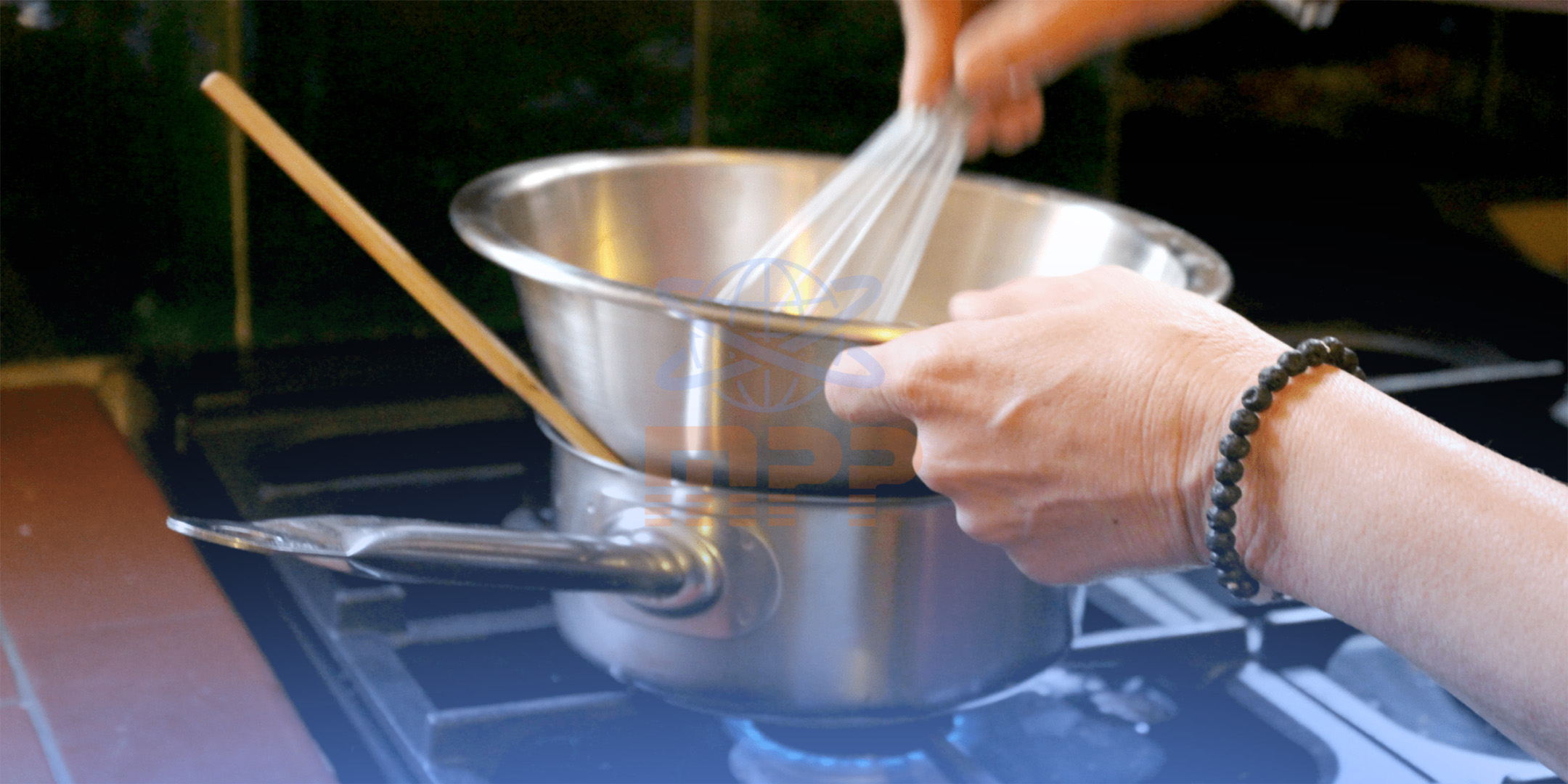
In this method, the paraffin is placed in a heat-resistant bowl set over a pot of boiling water. Indirect heat melts the paraffin evenly and safely. (Stearic acid is only for solid candle paraffin and makes gel cloudy.) Note that a double boiler reaches at most about 100 °C; for candle gel that needs a higher temperature, a thermostatically controlled melter or gentle direct heat with careful temperature control is more suitable.
Direct method

In this method, the paraffin is melted directly over gentle heat. It is faster, but you must make sure the paraffin does not overheat, to prevent scorching and loss of quality. Constant supervision and a thermometer are essential.
Using a candle wax melter

Candle wax melters are designed for melting paraffin and control the temperature precisely. They are usually suited to workshops and candle makers, are simple and reliable to use, and are especially good for large volumes and continuous production.
Choosing the right container for melting gel paraffin
Which container should you use? Use a metal pot or any other heat-resistant container. Microwaving candle gel is not recommended, as it may not give good results.
Key safety tips for melting paraffin and burning candles
Melting paraffin can be useful, but it also carries risks that require careful attention to safety. Here are some key safety tips:
- Wick care: before lighting the candle, trim the wick to about 0.5–1 cm. A wick trimmer is recommended to prevent poor burning, smoke and dripping.
- Wax pool safety: keep the molten wax pool free of wick trimmings, matchsticks and any other flammable material. An overfilled wax pool can overflow, smoke and even cause a fire.
- A suitable candle holder: holders must be heat-resistant and stable, with the candle firmly fixed. Do not use wooden or flammable holders, because the heat at the end of the burn can damage them or set them alight.
- Ventilation: burn candles in a well-ventilated room but away from direct draughts (air conditioners, fans or open windows); draughts cause uneven burning, dripping and smoke.
Practical uses of melted paraffin
Melted paraffin has many uses in industry and at home, including candle making, coatings and electrical insulation:
- Candle making: paraffin wax is a suitable, economical alternative to natural beeswax. Because it is odourless and colourless, it is easy to add colour and fragrance, making it ideal for scented and coloured candles.
- Waterproofing: paraffin is naturally water-resistant, and paraffin coatings can waterproof products such as matches, wood and bottles. In match making, for example, the match sticks are impregnated with paraffin before the heads are applied, so that the flame passes easily from the head to the stick and burns evenly.
- Crayons: paraffin is the raw material for crayons; mixing pigments with paraffin produces coloured crayons.
- Reducing friction: paraffin is used as a lubricant in various applications to reduce friction and improve mechanical performance.
- Food coatings: food-grade paraffin is used as a coating for some foods to extend their shelf life and prevent spoilage.
- Beauty and personal care: in beauty and personal care, paraffin is used in skin treatments such as paraffin therapy, which softens and moisturises the skin.
- Building materials: paraffin is used as an additive in building materials to increase moisture resistance and improve technical properties.
- Medical uses: in medicine, paraffin is used in products such as creams and ointments that need specific properties.
Common problems when melting paraffin and how to fix them
- Temperature too high or too low: if the paraffin does not melt properly, the temperature may be wrong. Use an accurate thermometer and keep within the recommended range (about 70–85 °C for solid paraffin and about 90–100 °C for candle gel), and use indirect heat to avoid scorching.
- Smoke and dripping: smoke can be caused by excessive heat or impurities. Control the temperature, use high-quality paraffin and make sure the wax pool is not overfilled.
- Uneven melting: this may be caused by poorly distributed heat. Use indirect heat and stir gently to achieve even melting.
- Bubbles: air bubbles can form in molten paraffin from fast stirring or high temperature. Stir slowly and let it cool slowly to prevent them.
Conclusion
Melting gel paraffin requires care and attention to safety. By using suitable methods, heat-resistant containers and the key safety tips, you can melt paraffin properly and avoid potential hazards, making your work with paraffin safe and successful. For quality paraffin and advice, contact Mehr Gostar.
Frequently asked questions
Why should I use a thermometer when melting paraffin?
A thermometer helps you control the temperature precisely and prevents overheating, which can scorch the paraffin or change its quality.
What should I do if paraffin smokes while melting?
Smoking is usually caused by excessive heat or impurities. Lower the temperature and use good-quality paraffin to prevent it.
How can I prevent bubbles in paraffin?
Stir the paraffin slowly, let it cool slowly and use indirect heat to melt it, to prevent air bubbles.
Related articles and products
Submit a comment
No comments found


