 fa
 tr
 ar


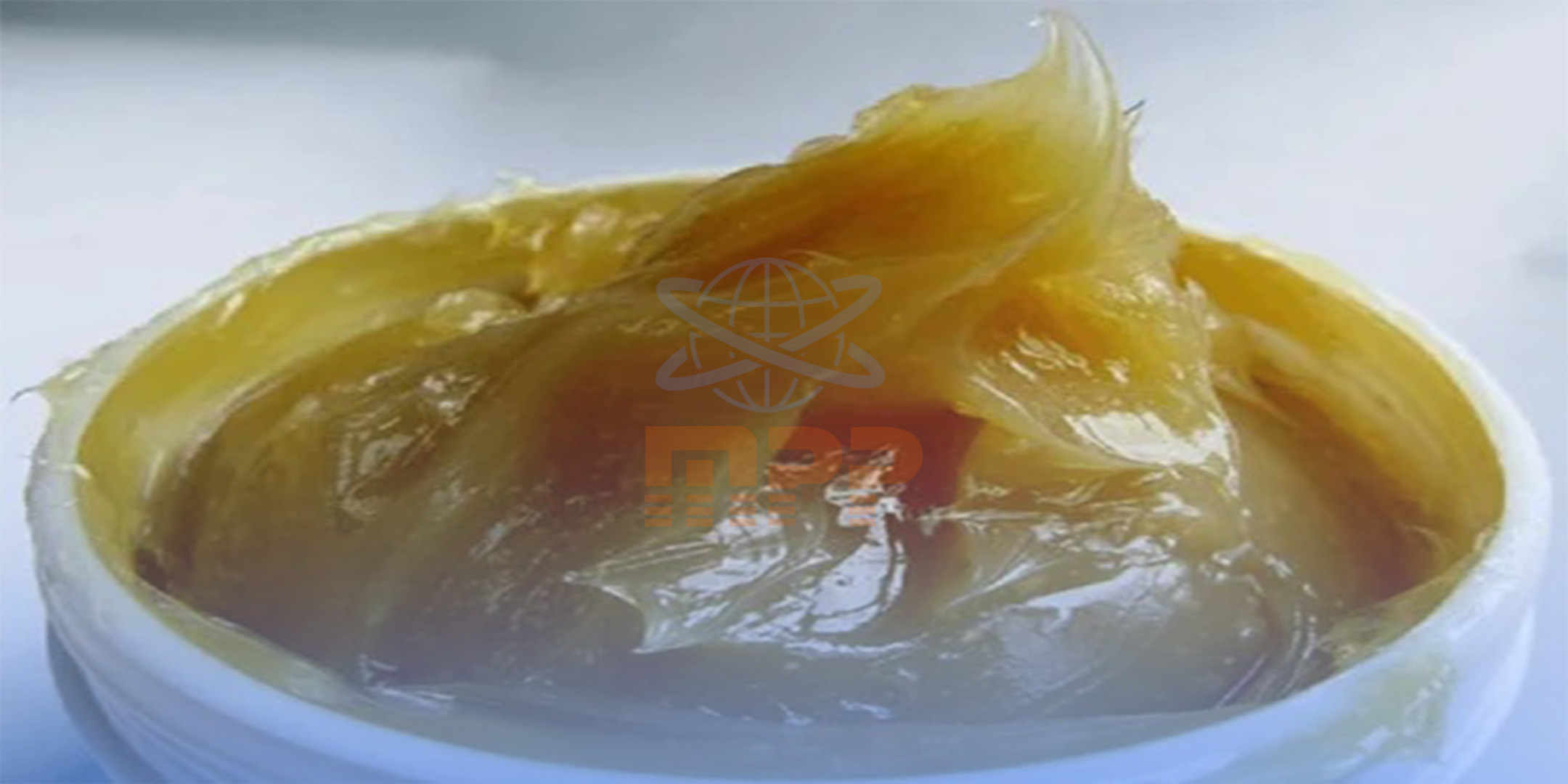
Foots oil is a waxy oil separated when slack wax is de-oiled to produce solid paraffin. Thanks to its water resistance, softness and low price, foots oil is used in match making, polishes and waxes, industrial emulsions, waterproofing wood and particleboard and concrete mould release oil. Below we review 20 uses of foots oil, its technical specifications, how it differs from slack wax and tips for buying it.
Uses of foots oil
Residue wax, or foots oil, is a by-product of solid paraffin production. It is a mixture of mineral oil and low-melting waxes with a very high oil content, formed when oil is removed from slack wax or during the production of semi-refined paraffin. At room temperature it is liquid or semi-solid. Its uses include match making, polishes, footwear and tarpaulin manufacture. Foots oil is usually sold in bulk or in steel drums. It is used in footwear, plastics, tarpaulins, specialty emulsions, polishes, particleboard and wood, where it waterproofs and extends the life of wooden products. In match making it is used as an aid to improve ignition and burning time.
Technical and physical specifications of foots oil
At room temperature foots oil is a thick liquid to semi-solid with a yellow to brown colour. Its main characteristics are a high oil content and a lower melting point than slack wax and solid paraffin. The exact specifications of each shipment (oil content, melting point, colour and viscosity) depend on the feedstock and de-oiling conditions and are stated on the certificate of analysis (COA). Common quality control tests for foots oil are oil content (ASTM D721), melting or congealing point (ASTM D87 / D938) and colour (ASTM D1500).
Foots oil vs. slack wax and solid paraffin
| Product | Origin | Oil content | State at room temperature |
|---|---|---|---|
| Slack wax | Dewaxing of base oil | Medium to high | Soft solid |
| Solid paraffin | De-oiling and refining of slack wax | Very low | Hard solid |
| Foots oil | Oil separated during de-oiling | Very high | Thick liquid to semi-solid |
Packaging and storage of foots oil
Foots oil is usually supplied in bulk (tanker) or in metal drums of about 180 kg. Store it in a dry, covered place away from flames and direct heat. In cold weather it may thicken and need gentle heating before pumping.
Tips for buying foots oil
- Specify the oil content and melting point based on your application (matches, emulsions, wood waterproofing or mould oil).
- Ask the seller for a certificate of analysis and, if needed, a safety data sheet (MSDS).
- Test a sample on your production line before placing a bulk order.
- Include the type of packaging (bulk or drums) and transport costs in your landed price.
20 uses of foots oil
Foots oil is a versatile material used in many industries. It serves as a waterproofing agent, a coating and an additive in chemical formulations, and as a raw material for products such as polishes, fertilisers and paints. Below are 20 uses of foots oil.
- Footwear: in leather shoe making, foots oil is used as a waterproofing agent that helps shoes resist moisture and water.
- Plastics: in the plastics industry, foots oil adds flexibility and durability to plastic products.
- Tarpaulins: it is one of the main components of waterproofing and coating materials for tarpaulins.
- Specialty emulsions: it serves as the oil phase and waterproofing agent in various emulsions, such as water-in-oil emulsions.
- Polishes: it is one of the main ingredients of polishes for cleaning and shining surfaces.
- Particleboard: in particleboard manufacture it is used as a water repellent and additive.
- Wood waterproofing: it coats wood surfaces to improve their resistance to water and moisture.
- Adhesives and sealants: it is used in adhesives and sealants for bonding various materials.
- Temporary rust protection: it is used in temporary anti-rust coatings to protect metal parts in storage and transport.
- Surface coatings: it acts as a protective and shine-giving agent on various surfaces.
- Filler: it is used as a filler and thickener in various chemical formulations.
- Concrete mould release oil: in construction, it is used in mould release oils so that concrete does not stick to the formwork and the surface is smoother.
- Plasters: it is used as an additive in various plasters.
- Modelling clay: it is used as a modelling component in clay.
- Finger paints: it is used in finger paints and painting materials.
- Fertilisers: it is used as a component in various fertilisers.
- Fuels: it is used as an additive and stabiliser in some fuels.
- Cleaners for non-metal surfaces: it is used as a component in cleaning products for non-metallic surfaces.
- Inks and toners: it is used as a component in various inks and toners.
- Plant protection, glazing and waxing: it is used as a glazing and protective agent for plants and various surfaces.
Conclusion
Foots oil is a by-product of paraffin production, obtained from residual waxes and oils. It is used in footwear, plastics, tarpaulins, specialty emulsions and many other industries. Mehr Gostar Paraffin Refining supplies foots oil; contact our sales team for specifications and a quotation.
Frequently asked questions
What is foots oil?
Foots oil is a waxy oil separated during the de-oiling of slack wax in solid paraffin production; it has a high oil content and a low melting point.
What are the main uses of foots oil?
Match making, polishes and waxes, industrial emulsions, waterproofing wood and particleboard, tarpaulins, concrete mould release oil and temporary rust-protective coatings.
What is the difference between foots oil and slack wax?
Slack wax is crude wax from dewaxing base oil, while foots oil is the oil separated when that slack wax is de-oiled, so it has a much higher oil content.
How is foots oil packaged?
Foots oil is usually supplied in bulk by tanker or in metal drums of about 180 kg.
Related articles and products
Submit a comment
No comments found


