 fa
 tr
 ar


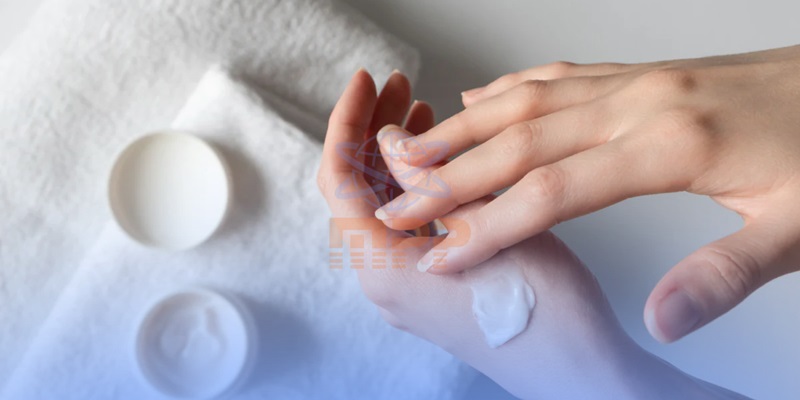
What is a moisturising emulsion?
What is a moisturising emulsion? Emulsions are lighter versions of hydrating and moisturising skin creams, made mainly on a water base. Unlike heavy creams, they are lighter and are sometimes offered as gels or almost liquid textures. Emulsions absorb into the skin faster than creams and spread and penetrate more easily. In short, they provide most of the benefits of a cream in a lighter formula. They are designed for better hydration and can also deliver some of the benefits of toners and serums. Many people use an emulsion as a complementary skin care and treatment step, not just as a moisturiser.
Types and ingredients of moisturising emulsions
Emulsions and classic moisturising creams should not be confused. Moisturising creams are usually heavier and can leave a greasy, dull layer on the skin, while emulsions, being mainly water-based, are lighter and absorb quickly. Even so, the main purpose of both is to moisturise the skin.
Emulsions contain a variety of ingredients that help improve and care for the skin:
- Glycerin: used as a humectant in skin emulsions; it draws moisture from the environment and holds it in the skin.
- Panthenol (vitamin B5): has repairing and soothing properties; in emulsions it helps keep water in the skin.
- Madecassoside: an anti-inflammatory ingredient that also provides antioxidants; suitable for sensitive or acne-prone skin.
- Hyaluronic acid: used to maintain skin moisture and improve skin health; it keeps the skin hydrated and makes fine lines caused by dehydration less visible.
Overall, emulsions not only moisturise the skin but also contain active ingredients that support skin health. Oils and fatty acids improve the texture and appearance of the skin and make it softer. Ingredients such as ceramides, cocoa butter, shea butter, collagen, dimethicone, mineral oils and jojoba oil are known as emollients. In topical products, collagen mainly acts as a surface moisturiser and does not penetrate deep into the skin, while ceramides help repair the skin barrier and improve conditions such as eczema.
Oil-in-water or water-in-oil: which suits your skin?
- Oil-in-water (O/W): light, fast-absorbing and non-greasy; suitable for oily and combination skin and daily use. Most emulsions and lotions on the market are of this type.
- Water-in-oil (W/O): richer and more protective; suitable for dry skin, cold weather and night creams.
The role of liquid paraffin and petroleum jelly in moisturising emulsions
Many moisturising emulsions and creams use liquid paraffin (Paraffinum Liquidum) or petroleum jelly in their oil phase. These are emollient and occlusive ingredients: they form a thin layer that reduces water loss from the skin, they are odourless and stable, and they rarely cause sensitivity. Combined with humectants such as glycerin and hyaluronic acid, they give a more complete moisturising effect. Cosmetic manufacturers can contact Mehr Gostar to source liquid paraffin and cosmetic-grade petroleum jelly.
Conclusion
Moisturising emulsions are used to retain skin moisture and improve skin condition. They usually combine water and oil and are effective at attracting and holding moisture. Thanks to their emulsion structure, they keep the skin soft and smooth and help prevent dryness and cracking. They can also be enriched with ingredients such as glycerin, hyaluronic acid, vitamins and antioxidants that support healthy, beautiful skin. For more information, contact Mehr Gostar’s support team.
Frequently asked questions
What is a moisturising emulsion?
A light product based on water and oil, made with an emulsifier, that moisturises and softens the skin; its texture is lighter and it absorbs faster than a cream.
What is the difference between an emulsion and a moisturising cream?
An emulsion usually contains more water, has a lighter texture and absorbs quickly, while a cream is thicker and forms a stronger protective layer.
Which skin types suit a moisturising emulsion?
Oil-in-water emulsions suit oily and combination skin, while richer or water-in-oil emulsions suit dry skin better.
What ingredients are used in moisturising emulsions?
Humectants such as glycerin and hyaluronic acid, emollients such as liquid paraffin, plant oils and ceramides, and occlusives such as petroleum jelly.
Related articles and products
Submit a comment
No comments found


