 fa
 tr
 ar


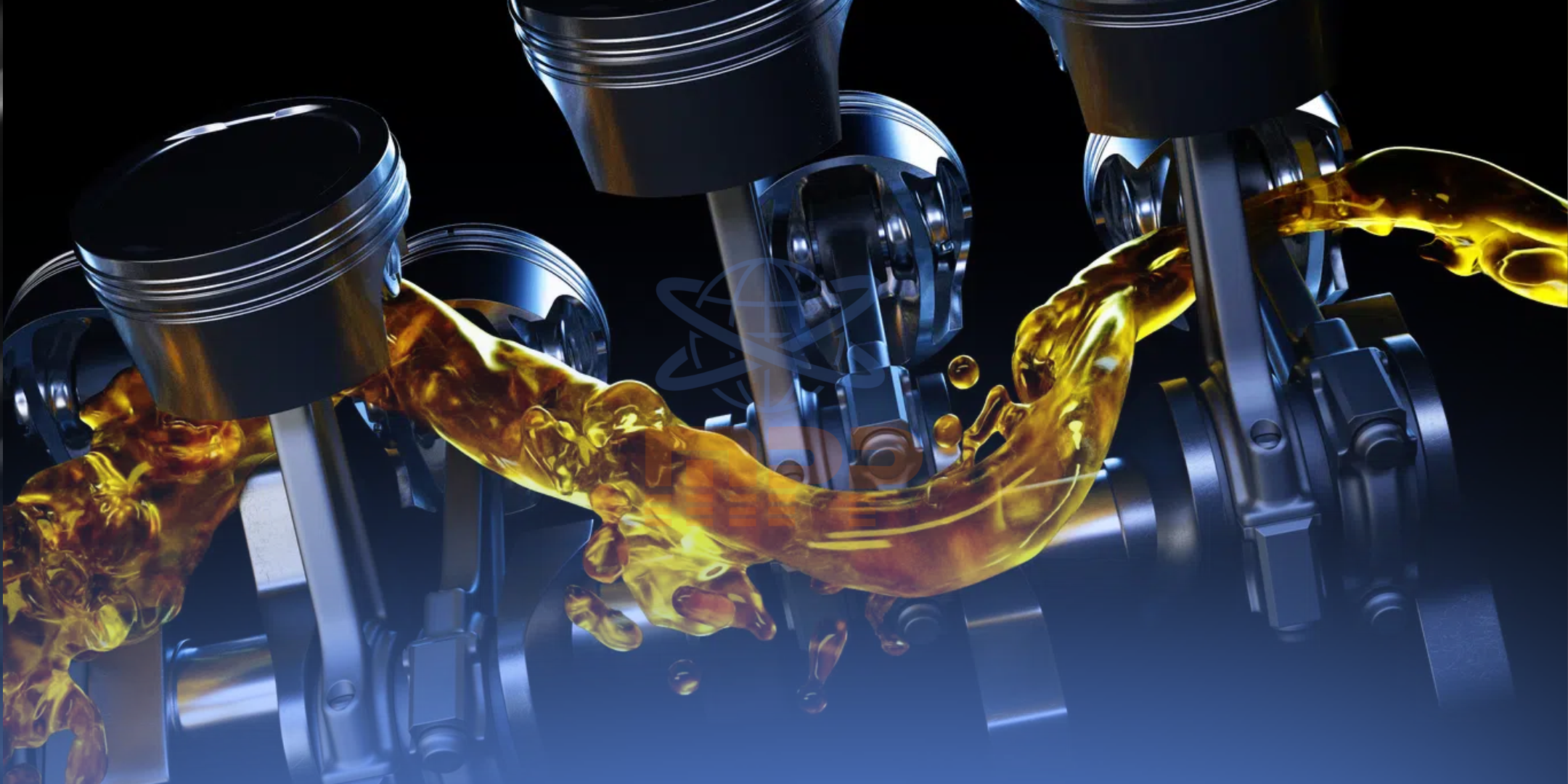
What is lube cut?
Lube cut is the oil fraction obtained from the distillation of crude oil and the raw material for producing base oil; the base oil made from lube cut usually makes up the main part (about 75–95%) of an engine oil. In crude oil refining, only a few percent of the hydrocarbons, those with about 20 to 50 carbon atoms, are suitable for use as lubricants. After it leaves the crude oil refinery, lube cut is further refined in lube oil refineries to produce base oil, the main ingredient of engine oils, industrial oils and lubricants. Finished oils consist of two main components: base oil and additives.

Uses of lube cut
Lube cut, a crude oil product from oil refineries, has a wide range of uses in many industries. The main ones are:
- Engine oils: as the raw material for engine oils, lube cut plays an important role in reducing friction and wear of engine parts, improving efficiency and extending engine life.
- Industrial oils: industrial oils made from lube cut are used in the automotive, shipbuilding, aerospace and heavy machinery industries as lubricants for gearboxes, hydraulics, compressors and bearings.
- Heat transfer oils: thermal oils made from lube cut are used in industrial heating systems, heat exchangers and hot-oil heaters to transfer heat effectively.
- Gear oils: gear oils for vehicle and industrial gearboxes are derived from lube cut and must withstand high pressure and heat.
- Compressor oils: used to lubricate and cool compressors; they must have good thermal stability and oxidation resistance.
- Greases: lube cut is one of the base materials of greases for parts working under high pressure and temperature.
- Marine oils: oils for ship engines and marine equipment are produced from lube cut and must resist moisture and corrosion.
- Oil additives: lube cut serves as a base material for some petroleum additives that improve the properties of engine and industrial oils. With good thermal stability, oxidation resistance and lubricity, it plays a vital role across industries and, as the main feed of lube oil refineries, is the basis of many petroleum products and lubricants.
How lube cut is produced
The number of carbon atoms in a hydrocarbon largely determines its properties and uses; any change in carbon number can change its properties, and therefore its uses, dramatically. Gases that are liquefied under pressure (LPG) and stored in cylinders as fuel for areas without piped gas, volatile liquids such as gasoline, and viscous or semi-solid materials such as bitumen are all products of crude oil distillation. In refining, besides removing non-hydrocarbon compounds, hydrocarbons are separated by boiling point, which depends on the number of carbon atoms in their molecules. Normally only a small percentage of the hydrocarbons, those with about 20 to 50 carbon atoms, is suitable for lubricants; this fraction is known as the oil cut or lube cut.
The rest of the refined crude consists mainly of lighter materials suitable for fuels. Hydrocarbons with fewer than 15 carbon atoms have low flash points, high volatility and low viscosity, so they are not suitable as lubricants. Importantly, not every crude oil is suitable for base oil production. Choosing a crude for base oil depends on its chemical composition, refining cost, lube cut content, market demand and many other factors, so the base oil yield of different crudes varies and is reported in various sources as 5–20%.
Types of lube cut
Lube cut is divided into heavy and light types, each with its own uses in lubricant manufacturing. Heavy lube cut is suitable for monograde (heavy-grade) engine oils, while light lube cut is used for other engine oil types. Lube cut is the raw material for base oil; part of it is exported and the rest is converted into base oil and engine oil.

Heavy lube cut
Oils from heavy lube cut are used where heavy-duty lubrication is needed, such as gearboxes and large diesel engines. They have higher viscosity and perform well at high temperatures and pressures. Both light and heavy lube cuts must keep their viscosity across temperatures, have good thermal stability and resist oxidation and corrosion. In general, lubricants made from lube cut reduce wear and friction, extend the life of machine parts and lower maintenance costs.
Light lube cut
Oils from light lube cut are usually used for light-duty lubrication, such as small electric motors. They have lower viscosity and perform well at low temperatures.
Why is lube cut production important?
Lube cut, one of the cuts of the refinery distillation column, comes in heavy and light types with specific uses in the oil industry. According to experts, only quality oil can guarantee the optimal performance of machinery, since lubricants are used to reduce friction and prevent wear of moving metal parts in contact with each other. For information on lube cut and its by-products, such as slack wax and paraffin, contact our experts at Mehr Gostar.

Lube cut analysis
Analysing lube cut is essential to assess its quality and suitability as a raw material for base oils and related products. The main parameters are:
- Viscosity: kinematic viscosity shows the fluid’s resistance to flow and is usually measured at 40 and 100 °C; it must be within a specified range for the lube cut to work as a lubricant.
- Pour point: the lowest temperature at which the lube cut still flows; a lower pour point means better low-temperature performance.
- Flash point: the temperature at which its vapours ignite briefly in the presence of a flame; a higher flash point means greater safety against fire and explosion.
- Viscosity index: shows how viscosity changes with temperature; a higher VI means more stable viscosity as temperature changes.
- Sulphur content: must be controlled because high sulphur can cause corrosion and damage equipment.
- Water content: water can cause emulsions and reduce lubricating efficiency, so it should be kept to a minimum.
- Wax content: the wax percentage of the lube cut determines how much slack wax and paraffin it yields and the load on the dewaxing unit.
Careful analysis ensures that the lube cut has the properties needed for engine and industrial oils, improves the quality of the final products and protects the life and efficiency of industrial equipment.
Lube cut and its by-products: from furfural extract to paraffin
In a lube oil refinery, lube cut passes through several treatment steps, each producing a valuable by-product:
- Solvent extraction: aromatic compounds are removed from the lube cut with furfural solvent. The by-product of this step is furfural extract, used in the rubber and bitumen industries.
- Dewaxing: the wax in the raffinate is separated with solvent and chilling. The by-product of this step is slack wax.
- De-oiling of slack wax: removing the oil from slack wax gives solid paraffin and foots oil.
- Finishing: the dewaxed oil is treated with hydrogen or bleaching earth and becomes base oil.
For this reason, lube cut quality directly affects the quality of the base oil and of by-products such as paraffin. Read the full chain in our article on the paraffin production process.
Common base oils made from lube cut
| Trade name | Origin | Viscosity | Common use |
|---|---|---|---|
| SN100 / SN150 | Light lube cut | Low | Hydraulic oil, multigrade engine oil, light industrial oils |
| SN500 | Heavy lube cut | Medium to high | Diesel engine oil, gear and industrial oils |
| Bright stock (BS150) | Vacuum residue after deasphalting | Very high | Heavy gear oil, cylinder oil, grease |
These solvent-refined oils are usually classified as Group I in the American Petroleum Institute (API) system.
Conclusion
Lube cut is obtained from crude oil refining and is the main feed for base oils, which are then made into industrial and engine oils. It comes in light and heavy types, each suited to specific uses such as light or heavy engine oils. Overall, as the main raw material for base and industrial oils, lube cut plays a fundamental role in the performance of many industries, and a variety of products made from it continue to evolve to meet each industry’s needs.
Frequently asked questions
What is lube cut?
Lube cut is a crude oil refining product used as the main raw material for producing base oil.
What is the difference between heavy and light lube cut?
Heavy lube cut has higher viscosity and is used for applications such as gearboxes and diesel engines, while light lube cut has lower viscosity and suits small electric motors and other light-duty uses.
What matters when choosing a crude oil for lube cut?
The chemical composition of the crude, refining cost, the percentage of lube cut in the crude, market demand, and technical specifications such as viscosity and thermal stability.
What is the difference between base oil and lube cut?
Lube cut is the raw material used to produce base oil, while base oil is the finished product used to blend various lubricants.
Related articles and products
Submit a comment
No comments found


