 fa
 tr
 ar


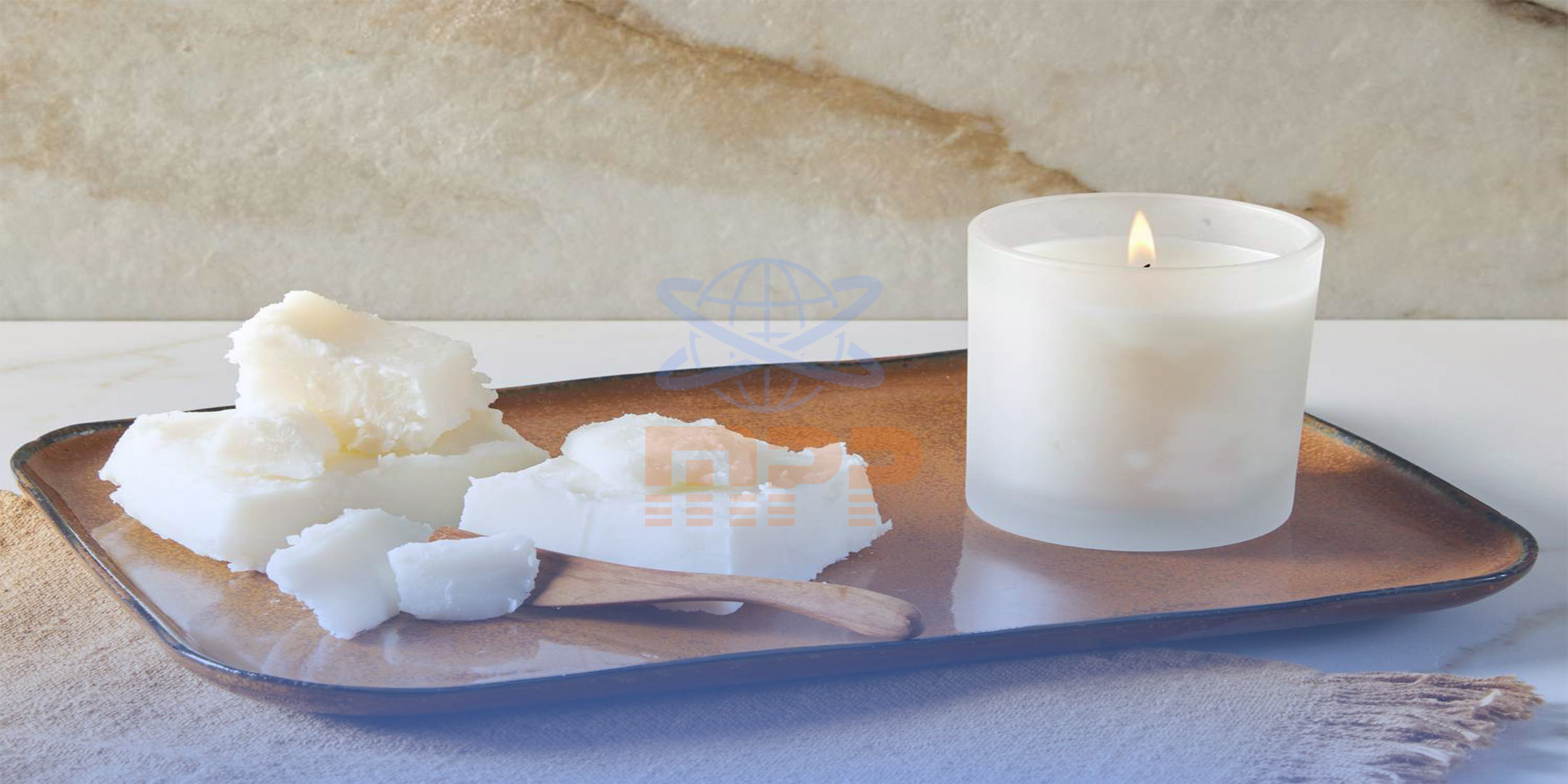
Paraffin is the main material in candle making and is used to make all kinds of candles with different moulds. More precisely, paraffin is a colourless, odourless and tasteless hydrocarbon obtained from petroleum products. It is solid at room temperature and, depending on the grade, usually melts at around 46–68 °C. Because of its reasonable price and clean burn, paraffin is a popular candle-making material.
Paraffin comes in two main forms, solid and liquid, each with several sub-types. For example, gel paraffin is a special type that combines properties of both liquid paraffin and solid paraffin. Below we introduce the best paraffin for candle making.
What is candle paraffin?
Candle paraffin is a type of wax commonly used to make candles. It is solid, white or colourless and is obtained from petroleum. Thanks to its affordable cost, stability and ability to hold fragrance, paraffin wax is the main material in candle production.
Types of paraffin suitable for candle making
Paraffin used for candles comes in several types, such as solid paraffin (often sold as “acid paraffin”) and crystal paraffin. The right choice depends on factors such as the clarity, melting point and flexibility the candle needs. Let us look at these types.
Moulding paraffin (solid “acid” paraffin)
This paraffin is made by de-oiling and refining slack wax. In the candle market, “acid paraffin” refers to paraffin to which stearic acid has been added to make the candle harder and more opaque and easier to release from the mould. Solid paraffins are classified by their oil content:
- Paraffin with 0.5–1% oil
- Paraffin with 1–3% oil
- Paraffin with 3–5% oil
- Paraffin with 5–7% oil
When choosing the best paraffin for candles, the lower the oil content, the higher the purity, clarity and quality. Solid paraffin is colourless, odourless and tasteless. Its melting point is about 58–60 °C and its congealing point about 50–55 °C. To check its quality you can break a piece and look at the crystalline grains inside: the whiter and more sugar-like they are, the better the paraffin.
Crystal paraffin
Crystal paraffin is whiter and more translucent than ordinary solid paraffin and costs more. Because it is harder and glossier, more transparent, has a higher melting point and is purer, it is widely used in candle making. Dyes dissolve better in it and give the candle more clarity, which makes crystal paraffin a popular choice for high-quality candles.
Gel paraffin and liquid paraffin are two other types, each with specific uses in candle making and each used to create attractive and practical effects.
Gel paraffin (“sea candle”)
Candle gel, or gel paraffin, is a blend of mineral oil (liquid paraffin) and a polymer. Because it is extremely transparent, it is used for decorative candles, especially container (glass) candles, and it burns longer than solid paraffin. Gel paraffin is heat-sensitive and easily damaged, so it should be melted with indirect heat such as steam or a double boiler. If it is exposed to high direct heat, it loses its clarity and turns yellow, and it may also give off an unpleasant smell and smoke.
Because of its high oil content, gel paraffin never sets fully hard, which is why it suits container candles so well. An important point when working with it is when you pour it into the glass: bubbles in gel candles matter for their appearance, though they do not affect how the candle performs.
Liquid paraffin
Liquid paraffin has a low viscosity and looks like an oil. It is used to make liquid (oil) candles, and its clarity and lack of colour directly affect the final result. It is quite different from solid paraffins, but it is very suitable for candles where appearance and clarity matter, and it is easy to get the desired result with it.
How to recognise good-quality paraffin
Several points help you assess the quality of paraffin. Good paraffin is usually light in colour, but a darker colour does not necessarily mean more oil; filtration can make paraffin clearer and lighter. In sunlight you should see many crystalline grains in it, and it should not feel soapy.
Checking the purity of granulated paraffin can be harder. The best method is to melt some granules, pour them into a mould and let them cool completely; you can then inspect the quality more accurately.
Points to consider when choosing candle paraffin
The choice depends on the type of candle you want to make and the wax you prefer (is a fully natural wax important to you?), as well as how much fragrance you want, how difficult the project is and the finish you want. Considering these factors helps you choose the best paraffin for your needs.
Paraffin selection table by candle type
| Candle type | Recommended paraffin | Approx. melting point | Note |
|---|---|---|---|
| Container and jar candles | Soft solid paraffin or a blend with liquid paraffin | 52–56 °C | Better adhesion to the container wall and a smoother surface |
| Moulded and pillar candles | Fully refined or crystal paraffin | 58–62 °C | Add stearic acid for hardness and easy release from the mould |
| Decorative and sculpted candles | Crystal paraffin | 58–64 °C | High gloss and clarity, better colour distribution |
| Gel candles | Candle gel (mineral oil + polymer) | — | Transparent; melt with indirect heat |
| Wax melts and votives | Medium-melting-point paraffin | 54–58 °C | Balance between burn time and scent throw |
Technical tips for making candles with paraffin
- Melting and pouring temperature: melt paraffin in a double boiler and never put it directly over a flame. The pouring temperature is usually a little above the melting point and should be checked with a thermometer.
- Stearic acid: adding about 5–20% stearic acid makes the candle harder and more opaque and makes release from the mould easier.
- Fragrance: fragrance oil is usually 6–10% of the paraffin weight and is best added at about 80 °C.
- Wick: the wick size must suit the candle diameter; a wick that is too small causes tunnelling, and one that is too large causes smoke and a tall flame.
- Slow cooling: to avoid cracks and sinkholes, cool the candle at room temperature away from draughts.
Checking candle paraffin quality with the analysis sheet
The most reliable way to judge paraffin quality is to review its certificate of analysis (COA). Three key indicators for candle making are the melting point (ASTM D87), the oil content (ASTM D721), where lower means a whiter and longer-lasting candle, and the Saybolt colour (ASTM D156), where a higher number means whiter paraffin.
Conclusion
Candle paraffin is one of the basic materials of candle making, valued for its clarity, stability and ability to hold fragrance. Mehr Gostar, a reliable supplier of candle paraffin, offers quality products suitable for all kinds of candle-making applications. If you are looking for high-quality paraffin for your candle projects, you can use our products to get the best results.
Frequently asked questions
Which paraffin is best for candle making?
For moulded candles, fully refined or crystal paraffin with a melting point of 58–62 °C; for container candles, a softer paraffin with a melting point of 52–56 °C.
What is acid paraffin?
Paraffin to which stearic acid has been added to make the candle harder and more opaque and easier to release from the mould.
How much fragrance should I add to candle paraffin?
Usually 6–10% of the paraffin weight, depending on the type of fragrance and paraffin.
How can I tell the quality of candle paraffin?
The most reliable way is the analysis sheet: a suitable melting point, low oil content and high Saybolt colour indicate good candle paraffin.
Is candle paraffin natural?
Paraffin is obtained from petroleum products. Soy wax and palm wax are plant-based alternatives, but they are not paraffin.
Related articles and products
- Crystal paraffin
- Solid paraffin price and purchase
- Types of solid paraffin
- Melting gel paraffin
- Where to buy paraffin
Submit a comment
No comments found


